In this guide
At a glance
- Source
- Oil from bergamot citrus peel
- Main role here
- Fragrance, not a medical treatment
- Important risk
- Some bergamot oils can cause phototoxic skin reactions
- DIY distinction
- An infusion is not an essential oil
Bergamot has a familiar citrus scent with a softer, more complex edge than a squeeze of lemon. It turns up in fragrance, toiletries, and the flavor associated with Earl Grey tea. Those different uses can make a bottle of bergamot essential oil seem like a useful shortcut to all of them. It is not that interchangeable.
Before using any product, establish exactly what it is, what it is intended for, and how the manufacturer says to use it. A pleasant plant scent does not turn a concentrated extract into a safe homemade medicine.
Know which bergamot you have
Bergamot citrus, Citrus bergamia, is the source of bergamot peel oil. It is different from the garden plants commonly called bee balm or wild bergamot, which belong to the genus Monarda. A shared common name does not establish that two plants have the same chemistry or uses.
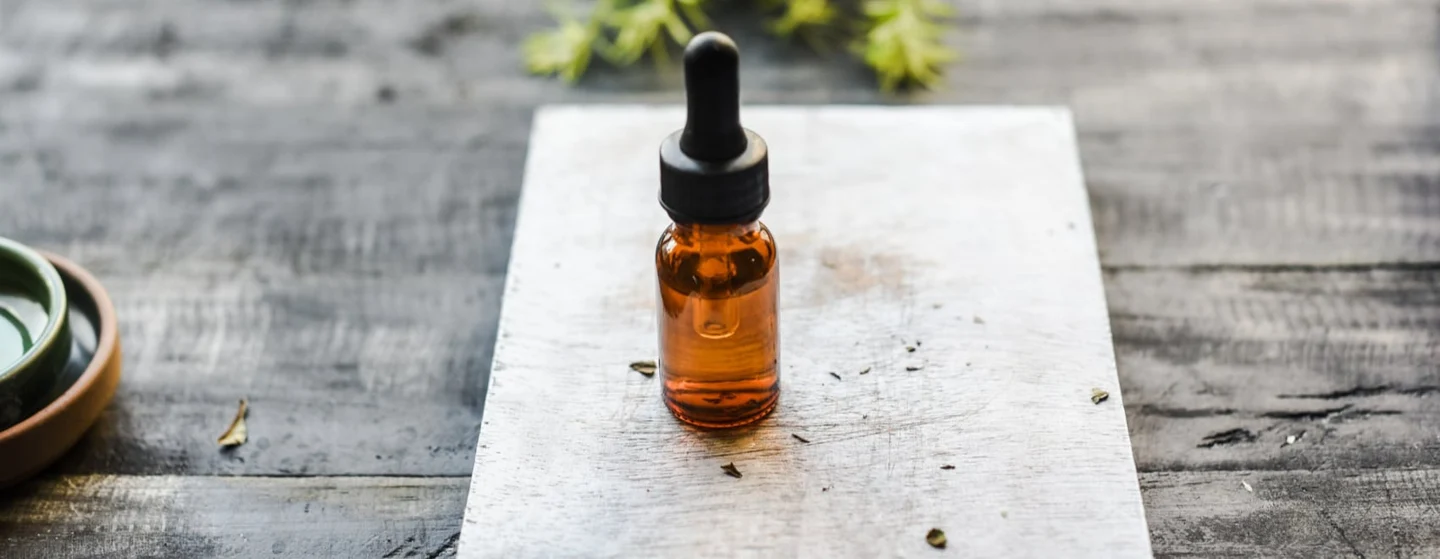
Essential oil is a concentrated volatile plant extract. It is not the same as fruit juice, a food flavoring formulated for culinary use, or a cosmetic containing a small, controlled amount of fragrance. Read the label rather than interpreting a natural-looking bottle as permission for any use.
For tea or cooking, choose ingredients and food products specifically intended for that purpose. Do not add a fragrance or aromatherapy oil to a drink simply because bergamot is an ingredient in a commercially prepared tea.
Put health claims back in proportion
The original appeal of bergamot as a scent does not depend on claims that it treats depression, infections, high cholesterol, or weight problems. Laboratory findings about individual compounds are not evidence that rubbing an oil on the skin treats a disease in a person.
Do not replace prescribed treatment with bergamot oil or use it to manage an infection, wound, or persistent symptom. Claims that a natural oil has no side effects are especially unhelpful: concentration, exposure, formulation, and the individual all matter.
If you enjoy a bergamot fragrance, enjoy it as a fragrance. Choose a finished product intended for the use you have in mind, follow its instructions, and stop using it if it causes irritation or breathing discomfort. More scent is not necessarily a better experience.
Understand the sunlight issue
Some bergamot oils contain furocoumarins, including bergapten, that can react with ultraviolet exposure and cause a phototoxic skin reaction. The result can include redness, blistering, and lasting pigmentation. This is an important distinction from simply deciding whether you like the smell.
Product processing can alter composition, but a label such as bergapten-free does not establish that a product is suitable for every person or application. Do not invent a safe dilution or a wait-before-sun interval from a generic internet recipe. Follow the instructions for the actual formulation, and ask a pharmacist or clinician when the intended use is unclear.
Avoid applying essential oil directly to skin, adding it casually to bathwater, or treating it as a substitute for sun protection. Oil does not disperse evenly in water simply because the water looks scented.
An infused oil is a different project
Putting peel into a carrier oil creates an infusion, not a bottle of essential oil. It has a different and variable composition, and a homemade preparation does not come with reliable information about irritation, stability, or phototoxicity.
Cold expression and distillation are extraction processes that require suitable equipment and expertise. A saucepan, a sealed jar, or improvised pressure equipment is not an appropriate way to reproduce a commercial process. This guide does not recommend home distillation or provide a recipe for applying homemade citrus oil to the body.
If the part you enjoy is growing aromatic plants, keep that project separate from medical or cosmetic formulation. A clearly labeled plant and an interesting scent are worthwhile without turning the harvest into a concentrated product.
Read the product category before interpreting the ingredient
The same word on the front of four bottles can conceal four different jobs. Turn the bottle around and find the intended route of use before deciding what the ingredient list means. A retailer placing products beside one another does not make them interchangeable.
| What the product actually is | What the label should establish | What its name does not establish |
|---|---|---|
| Essential oil sold for fragrance | Identity, intended use, warnings, and storage | Suitability for food, skin, or a medicinal dose |
| A finished cosmetic containing bergamot | Where and how the complete formulation may be used | Permission to replace it with undiluted oil |
| A culinary flavoring | Explicit suitability for food and the maker's directions | That any bottle marked pure bergamot is culinary |
| A homemade peel infusion | Ingredients and how it was made, if known | Reliable concentration, stability, or phototoxicity information |
Phototoxicity also needs its own question. In a published clinical report, two people developed blistering reactions after exposure to bergamot aromatherapy oil followed by ultraviolet exposure. A case report establishes that a particular harm can occur; it cannot tell you the safe dilution, waiting period, or likelihood for every product. That is why this guide does not turn the report into a universal recipe.
If the label is incomplete, do not use guesswork to complete it. Ask the manufacturer for the intended use and product-specific warnings, or choose an appropriately labeled finished product. A generic safety sheet for a different extraction is not an adequate substitute.
Keep the botanical and commercial distinctions in the same note. Monarda in a garden-bed label is a different starting point from citrus peel oil; a cosmetic's ingredient name is different from instructions for using the raw ingredient. These small distinctions prevent a pleasant fragrance from acquiring a use it was never formulated to have.
For a gift, leave the original label and instructions with the recipient. Do not transfer the contents to a decorative unmarked vial, even when the new bottle suits the bathroom beautifully.
Keep concentrated oils out of ordinary reach
Store essential oils in their original labeled containers, securely away from children and pets, and separate from food and medicines. Do not decant them into drink bottles or leave an open bottle beside a diffuser. The small size of the container makes it easy to underestimate the exposure.
If an oil is swallowed or a significant exposure occurs, contact a poison service or medical professional promptly with the product information. Do not induce vomiting. Difficulty breathing, collapse, or seizures require emergency help.
The useful approach is quite restrained: know the product, use it only as directed, and let the fragrance be enough. A scent does not need a treatment claim to be worth enjoying.
Sources & further reading
This guide draws on horticultural and specialist references. Conditions vary with climate, cultivar, and site.
- DermNet: photosensitivity and bergamot
- DermNet: photocontact dermatitis
- Poison Control: essential oils
- Clinical report: phototoxic reactions following bergamot aromatherapy oil and ultraviolet exposure