Garden design5 min read
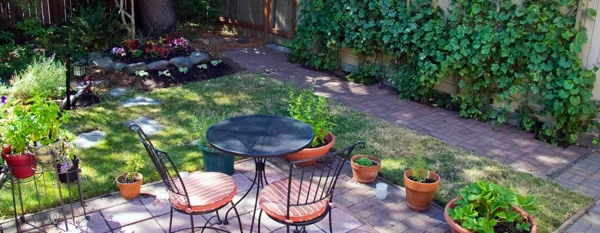
A balcony garden with room to sit down
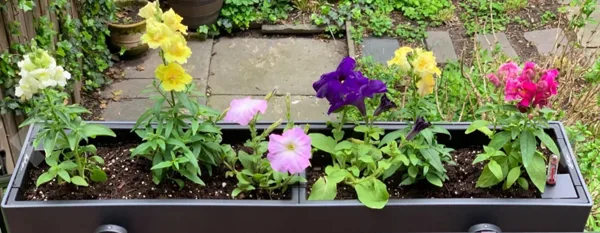
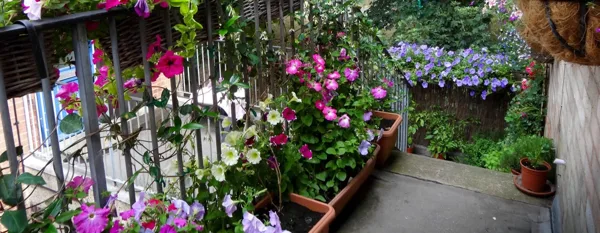
Plan pots, shelter and practical access around the small outdoor space you actually have.
A little knowledge. A better garden.
Plant care, garden ideas, and practical projects. Find a useful starting point for whatever you're growing.
Plan pots, shelter and practical access around the small outdoor space you actually have.
Understand plant labels, soil advice and propagation instructions, one useful term at a time.
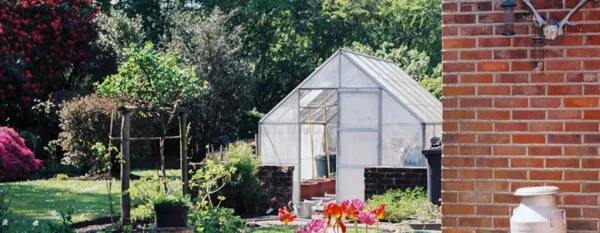
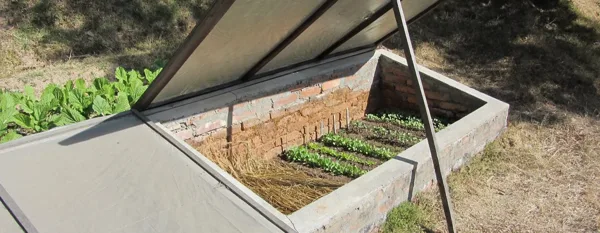
Choose a protected growing space around the plants, ventilation and winter conditions you can realistically manage.
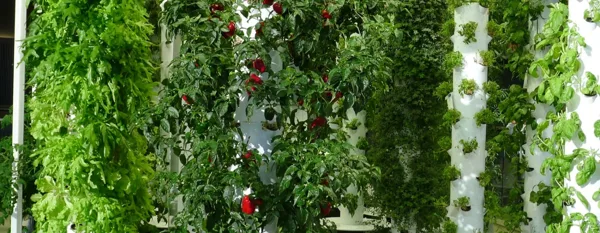
Compare aeroponic formats, choose realistic crops and plan for the equipment that keeps exposed roots supplied.
Tillandsia does not need a pot of soil, but it still needs dependable moisture and airflow. Choose a display that lets you care for the plant.
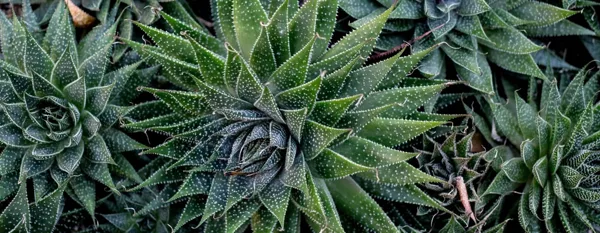
Give this sculptural succulent a bright position, drainage and time to dry. Keep growing advice separate from homemade medical or edible preparations.
Understand the three living parts of an aquaponic system and what they need before choosing a design.
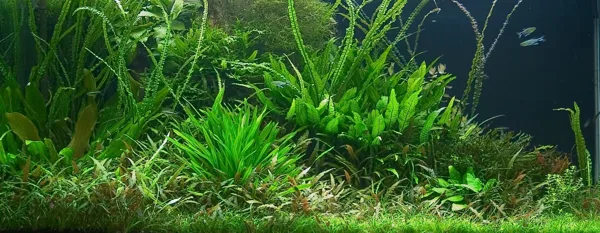
Build a freshwater planting around light, growing space and the way each plant roots. A beautiful tank starts with compatible demands, not the longest plant list.
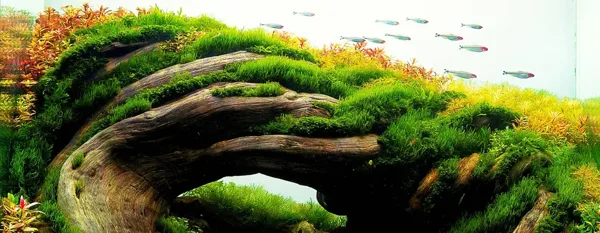
Use wood, stone, planting and open space to design a freshwater aquascape that works for both its plants and its inhabitants.
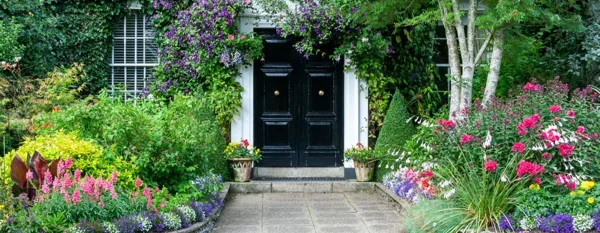
Place dining, play, planting and practical routes so they support one another instead of competing for the same ground.
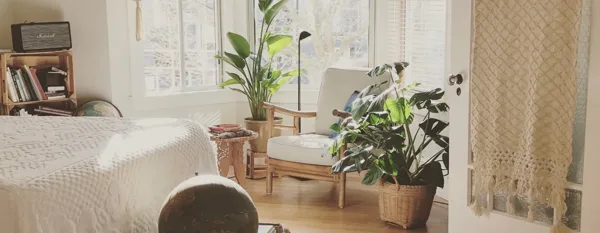
A good bedroom plant fits the window, stays clear of the bedside routine and needs care you can comfortably provide.
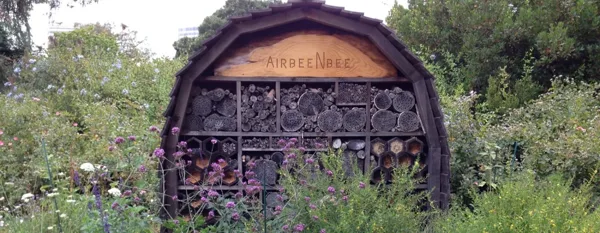
A small, maintainable nest can help particular bees when the surrounding habitat also works.
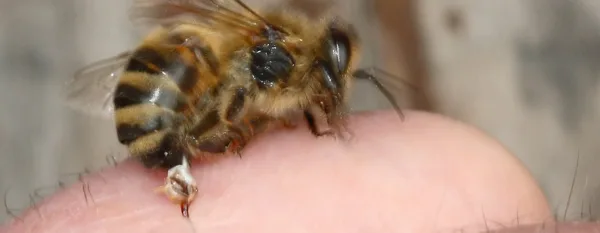
Recognise an emergency first, then deal with a local sting using straightforward first aid.
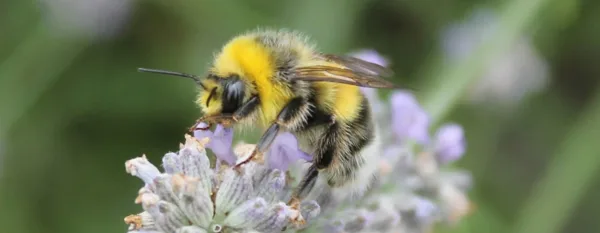
Look at shape, pollen and nesting behaviour before deciding what is visiting your garden.
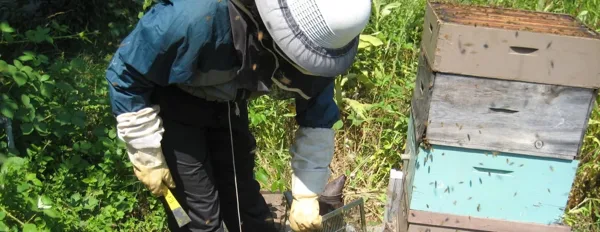
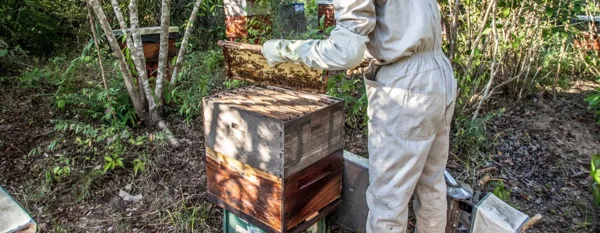
Understand hive formats, components and the work that follows setting up a colony.
Separate the citrus fragrance from unsupported treatment claims, and understand why essential oil and a homemade infused oil are different things.
Choose an appropriate species and understand its light, seasonal, watering and training needs before shaping it.
A small patch of chamomile can supply fragrant flowers for the cup. Here is how to grow the right plant, harvest it cleanly and keep health claims in perspective.
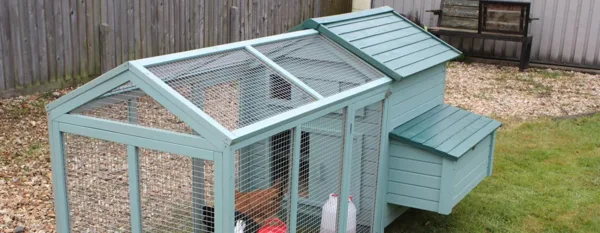
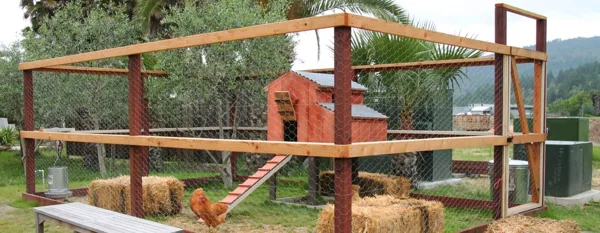
Evaluate a coop for flock space, dry shelter, ventilation, predator protection and daily access before choosing its appearance.
Understand complete feed, life stages, calcium, grit and treats without relying on an unbalanced homemade grain mix.
A shorter, practical nursery directory and the questions that help you bring home plants suited to your garden.
Make housing work for the flock through daily checks, dry bedding, ventilation and practical maintenance.
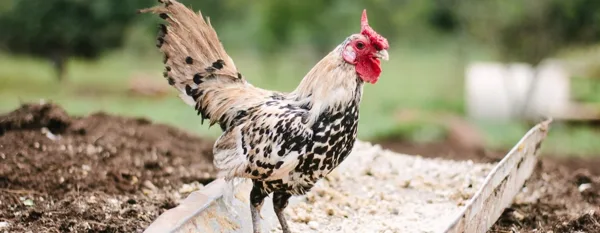
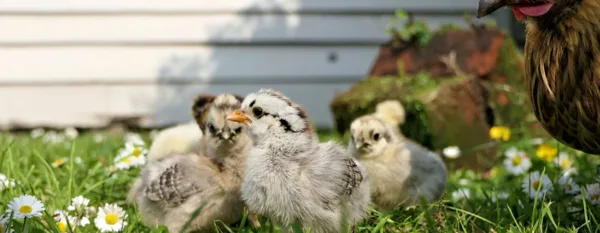
Compare laying hens, dual-purpose birds and ornamental breeds by the conditions and care you can provide.
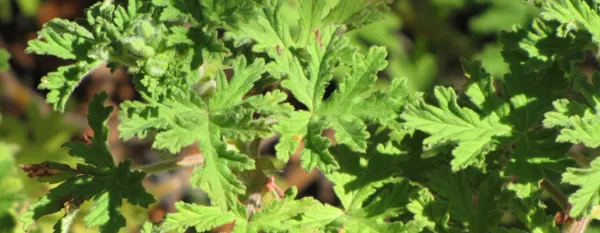
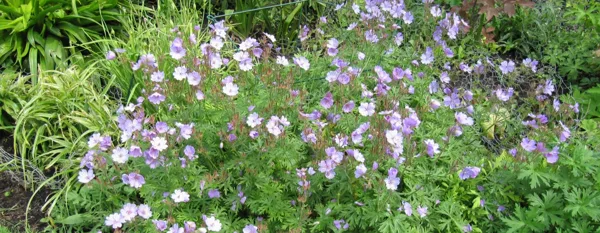
The plant sold as mosquito geranium is a fragrant ornamental, not a dependable mosquito barrier. Identify it before borrowing advice for citronella grass.
Plan the barrel, overflow and water use before connecting a downspout.
A trailing pothos can soften a shelf or climb a support. Keep its roots out of standing water, give it useful light and prune with the shape in mind.
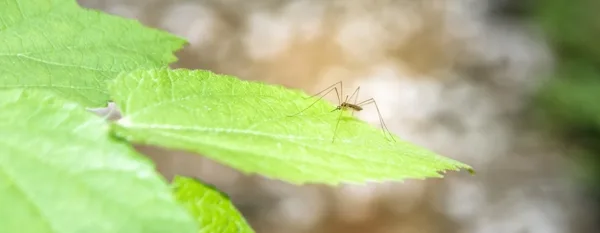
Enjoy aromatic plants for the garden they make, and use proven measures to prevent bites.
Understand the difference between a eucalyptus plant, a concentrated oil and a formulated medicine before deciding how to use any product.
Choose the position, form and seating as one arrangement, with fire safety and local restrictions decided before construction.
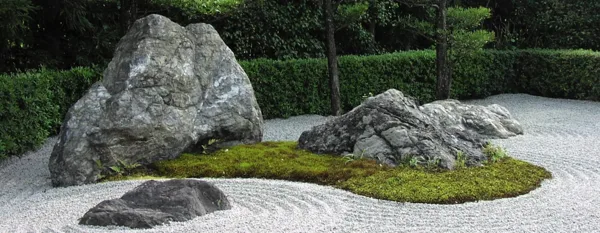
A consolidated guide to gravel, pebbles, boulders and stone surfaces, with practical placement, drainage and maintenance considerations.
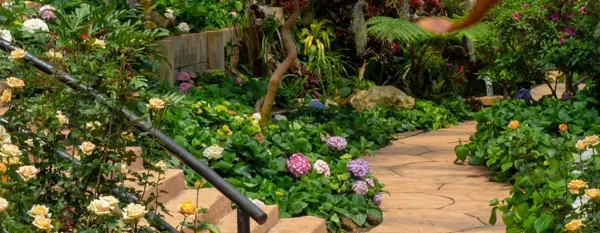
A practical route from an awkward patch of ground to a garden with comfortable places, useful planting and a clear sense of direction.
Choose a boundary between lawn, beds and paths that holds its shape, suits the materials and remains practical to look after.
A guide to draw, Dutch and stirrup hoes, with a shallow-weeding technique that protects the plants you mean to keep.
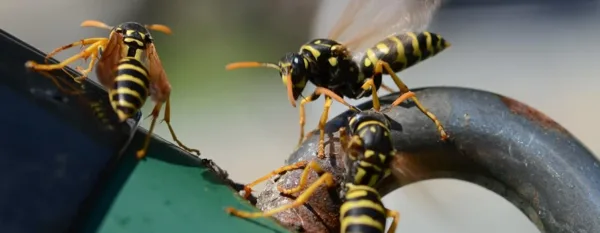
Learn the differences that help you recognise a wasp without disturbing its nest.
Compare a planted pond, a contained fountain and a small water display by their setting, practical needs and continuing care.
Lunar calendars can be an enjoyable garden ritual. They should not overrule the weather, the soil or the needs of the plant.
Choose the view, route, proportions and construction before adding a permanent roof to the garden.
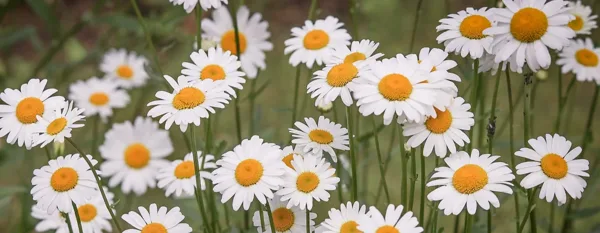
Shasta daisies, African daisies and gerberas share a familiar flower shape, but need different treatment. Choose the plant for the border, pot and winter you actually have.
The familiar bedding geranium is usually a pelargonium. Give it sun, drainage and a considered winter plan, whether it trails from a basket or stands in a pot by the door.
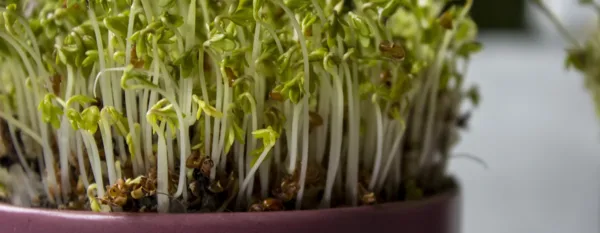
Choose achievable indoor crops and give them suitable containers, light and a realistic harvest routine.
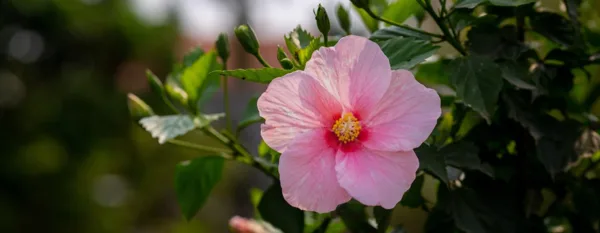
A tropical hibiscus in a pot and a hardy rose mallow in the border need different winters. Identify the plant first, then give its flowers a realistic setting.
Match mature size, soil and flowering time to the site before choosing a flower color. A suitable magnolia needs far less correction later.
Compare light, size, watering and pet safety before choosing a plant. A manageable shortlist is more useful than a universal ranking.
Match each plant to its position, mature size and local suitability, instead of using one international list for every stretch of water.
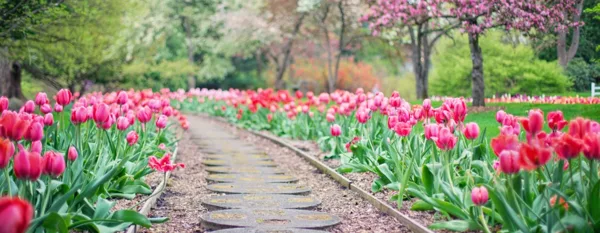
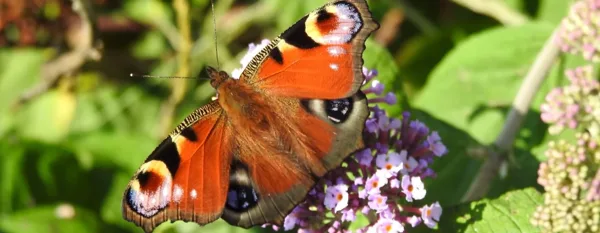
Plan a sheltered layout, a long flowering season and suitable food for local caterpillars.
Reduce repetitive work through better plant choices, simpler layouts and a realistic plan for the jobs you want to keep.
Spring woodland carpets, jewel-colored cutting flowers and late-season borders need different anemones. Start with the growing conditions, then choose your flowers.
Choose an azalea for your climate and its eventual size, then give its shallow roots acidic soil, drainage and steady moisture.
Choose a manageable species, plan containment before planting and keep true bamboo separate from the houseplant sold as lucky bamboo.
Plan the long growing season, give the plants firm fertile ground and harvest the tight sprouts as they develop up the stem.
Choose a genuinely hardy garden mum for a lasting border, or enjoy a florist plant as a seasonal display without expecting the same winter performance.
Choose an outdoor or greenhouse variety first. Then give cucumber roots warm soil, consistent moisture and enough space to keep picking comfortably.
Choose a manageable variety, put supports in early and protect the emerging shoots before they become a tall summer display.
The fringed flowers are familiar; the plants behind them vary. Choose the right dianthus, then prioritize sun, drainage and careful deadheading.
Give this spring-flowering shrub room for its arching stems, then prune after the display rather than before it.
Plant the right corms for your season, support the stems early and keep the leaves after flowering so the corms can rebuild.
Choose garlic suited to your climate, plant into free-draining soil and use the leaves—not a fixed calendar date—to judge the approach of harvest.
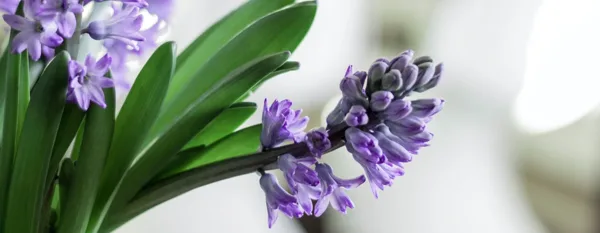
Choose ordinary bulbs for the spring border and prepared bulbs for an indoor display. Good drainage and sensible care after flowering matter more than a perfect planting photograph.
Identify the species before cutting. Flowering wood, sun tolerance and color response vary far more than a single hydrangea routine suggests.
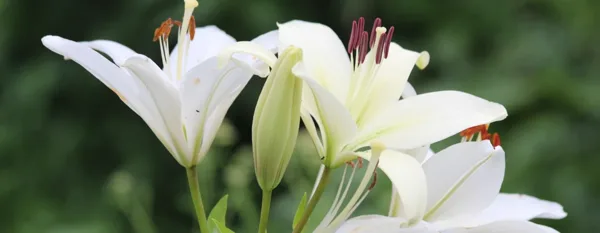
True lilies offer striking summer flowers, but soil preferences, root habits and planting depths differ. Start with the name—and consider cats before planting.
Start with an edible species, clean materials and a small batch, keeping food hygiene part of the growing routine.
Herbaceous, intersectional and tree peonies need different treatment. Start with sun, room and the correct planting level.
The layered florist flowers belong to Ranunculus asiaticus. Give them a cool growing season, excellent drainage and protection appropriate to your climate.
Choose a growth habit that fits the container, then keep light, moisture and feeding working together through summer.
Start with healthy seed potatoes, keep developing tubers covered and choose a harvest time that matches the way you want to use the crop.
Choose a variety for your growing season, establish healthy slips, and harvest roots without damaging their delicate skins.
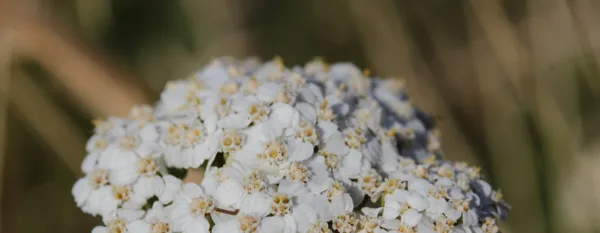
Flat flowerheads and finely cut leaves make achilleas useful partners for grasses and upright perennials. Give them drainage, choose the right type and leave room for their spread.
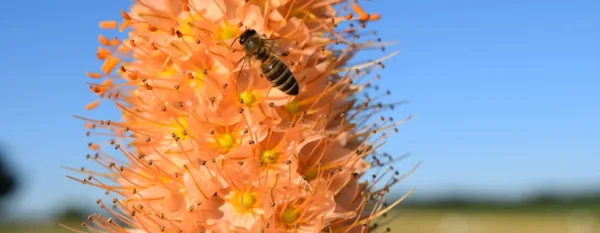
Choose a flowering sequence for your region, then leave room for the bees’ less visible lives.
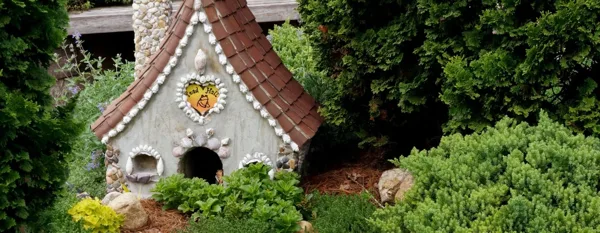
Build a small imaginative scene around compatible plants, drainage and room for the planting to change.
Build an open aquatic plant display with suitable materials, realistic water care and no promise of a sealed animal ecosystem.
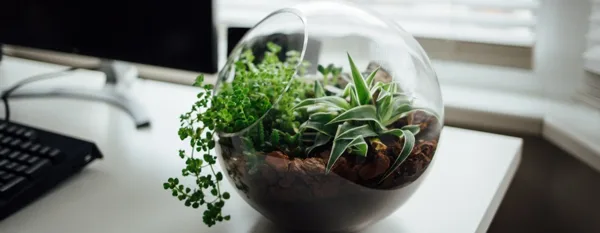
Build a small garden around compatible plants and a vessel you can reach, then adjust water and ventilation through observation.
Build a border around site conditions, repeated planting and changing seasons rather than an ever-longer flower list.
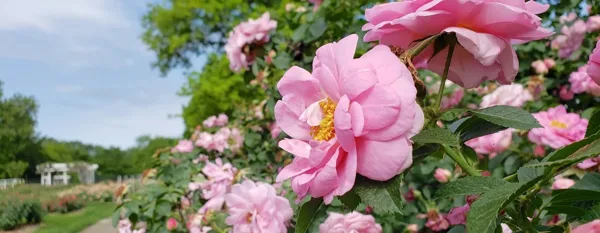
Choose the right rose habit, make room for care and build a planting that remains useful beyond its main flush of flowers.
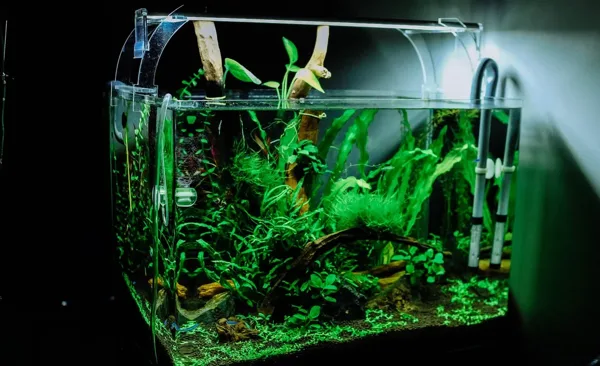
Build a freshwater planted tank around suitable plants, stable water conditions and a mature filter before adding fish.
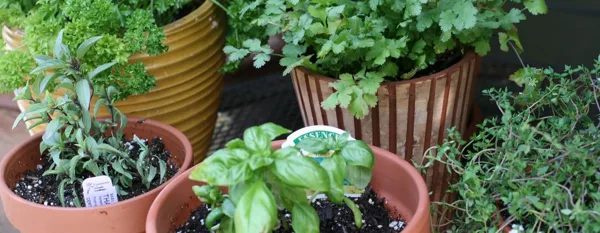
Choose a small useful collection, group herbs by their needs and make harvesting part of the garden layout.
Choose an annual display or a lasting meadow, prepare properly and plan for the care that keeps flowers in the picture.
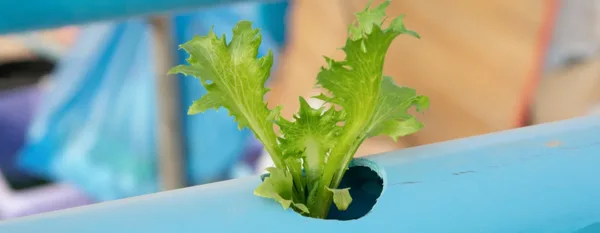
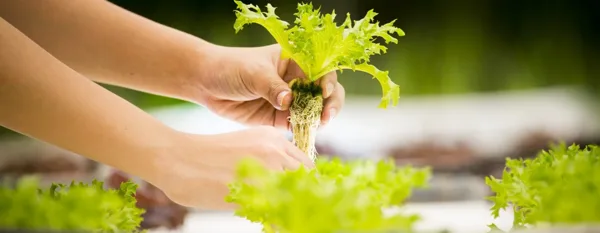
Understand nutrient solution, root oxygen and light before choosing a small soil-free growing setup.
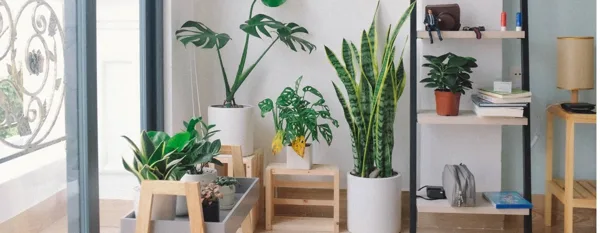
Find the right light, choose a manageable collection and make living plants part of a room without making care awkward.
Use considered viewpoints, restrained planting and clear distinctions between garden traditions to plan a quieter outdoor space.
A practical way to organize garden construction, protect the people using the site and recognize work that needs qualified help.
Use timber for beds, edges, screens and garden levels while choosing suitable material and leaving structural work to a proper design.
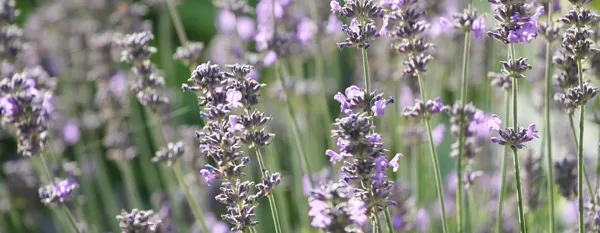
The scent is the attraction; sunshine and drainage do the practical work. Match the lavender to your winter conditions, then keep a compact shape with considered pruning.
Understand the basic process, organize clean equipment and choose a complete validated method rather than improvising with milk and warmth.
Keep the composition simple, choose appropriately scaled plants and plan maintenance before filling a nano aquarium.
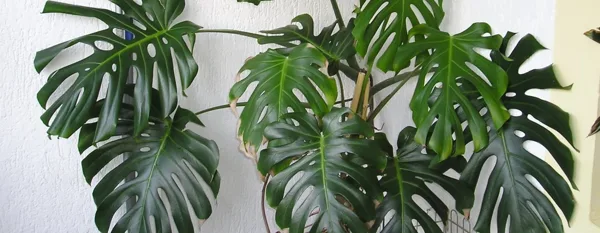
Choose the right species, allow for its mature size and use the root zone to guide watering. Large leaves are a growing habit, not a purchase guarantee.
Encourage suitable moss, create a small planted composition and avoid the common mix-ups behind moss garden advice.
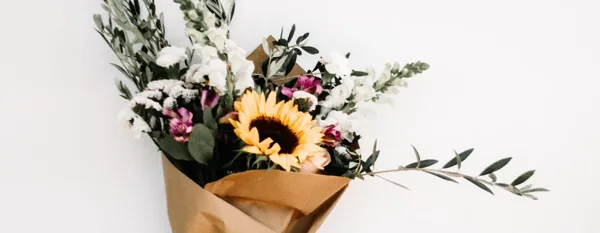
Thoughtful bouquets and living plants, chosen around the recipient, her space and the care she actually wants to give.
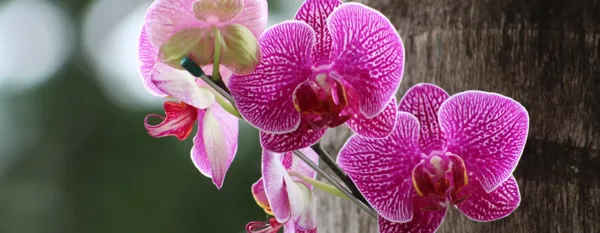
Use this practical Phalaenopsis routine for moth orchids, and recognize when another orchid needs different treatment.
A fireplace can anchor an outdoor room, but the firebox, chimney, fuel, clearances and site need more than an attractive facade.
Work out what you will cook, where people will move and which utilities you genuinely need before committing to a permanent setup.
Choose returning plants by growing conditions first, then combine their flowers, foliage and mature size.
An independent guide to deciding whether a fire pit suits your garden and what has to be resolved before it is lit.
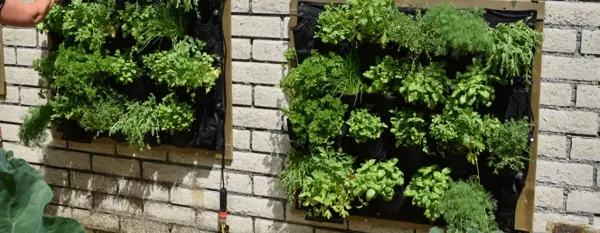
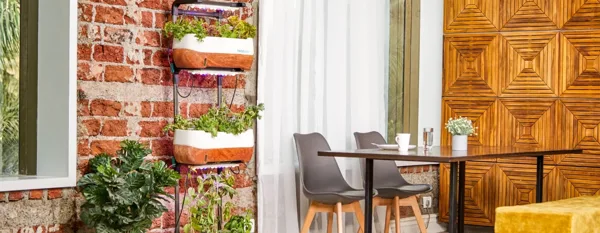
Choose between climbing plants, removable pots and a planted wall system, with realistic plans for light, watering and upkeep.
Recognize important plant hazards, distinguish misleading common names and know when suspected exposure needs immediate veterinary advice.
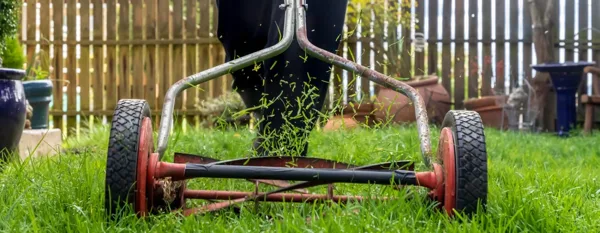
Understand reel versus rotary, manual versus powered, and the practical details that make mowing easier without shopping rankings.
Use breed characteristics as questions to ask, not promises about a pet’s personality.
Plan secure space for running, hiding, resting and living with a compatible rabbit companion.
Connect catchment, safe storage, overflow and practical watering without treating roof runoff as drinking water.
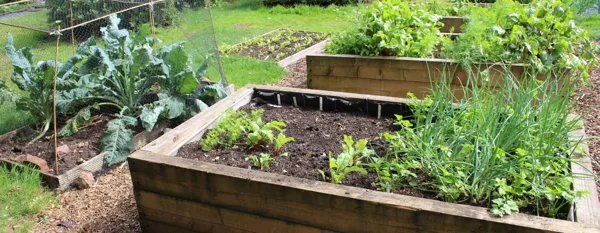
Decide whether a raised bed solves a real growing problem, then size and fill it for the crops and gardener.
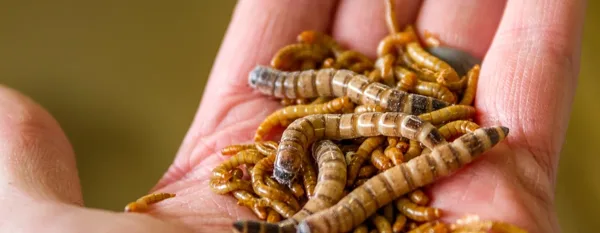
Understand the beetles behind the larvae, then keep any poultry-feed use legal and nutritionally appropriate.
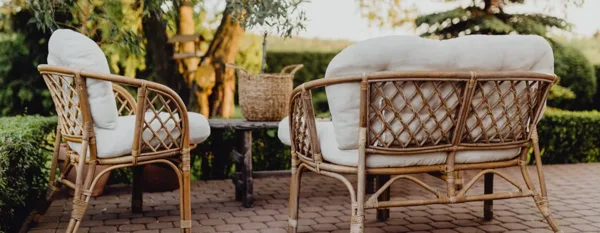
Understand what the furniture is made from, where it can live and how the whole seating arrangement will work through the seasons.
Plan a modest rockery or planted trough around drainage, compatible plants and a coherent arrangement of stone.
Create privacy through a considered entrance, layered planting and one comfortable place to pause.
Use stored water to make container care more forgiving, with the right plant, growing medium and a test before you leave home.
Plan adult fish needs, mature the filter before stocking and establish a routine for testing and maintenance.
Separate dry shade from damp shade, then build a garden around foliage, suitable plants and a comfortable place to pause.
A dry patch beneath a tree and a sheltered, moist border need different plants. Match the kind of shade first, then build a planting with useful texture and seasonal interest.
Explore plant collections and designed landscapes, then bring home ideas that suit your own conditions.
Find reliable plant advice, thoughtful garden writing and useful planning resources without treating every search result as the same kind of evidence.
Recognize texture, drainage and pH, then choose plants and improvements that fit the soil you have.
Give Chlorophytum bright indirect light, drainage and room for its arching leaves. Brown tips and a lack of plantlets are clues to investigate, not reasons to start over.
Prepare the soil, sow at the right stage and move plants outside gradually, keeping local weather ahead of the calendar.
Research customers, measure production and labour, and build a small commercial growing plan around evidence rather than crop-price promises.
Learn what a hive needs, find local instruction and plan health management before acquiring honey bees.
Start with the plant’s identity, then give its roots air and time to dry. Succulents share water-storing tissues, not one universal care routine.
Give an outdoor terrace a clear layout, then choose planting that works with its exposure and structure.
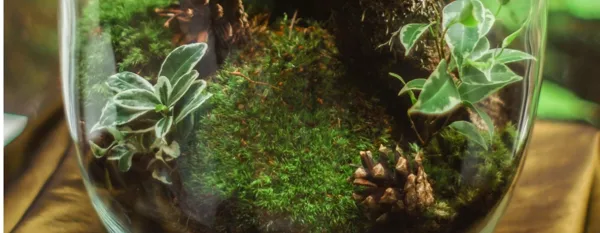
Select a small compatible collection for a closed humid terrarium or an open display, using mature habits rather than nursery-pot size.
Gardening can offer movement, interest, connection and a place to pause. Build those benefits into a routine that fits your body and your life.
Egg, caterpillar, chrysalis and adult each need a different kind of welcome.
Honey bees are only part of the picture. Meet the solitary and social bees that use flowers, stems and soil.
Understand queen development, egg laying and colony life without the royal-jelly myths.
Understand rosettes, trailing plants, desert cacti and forest cacti before putting them together in a container.
Understand true tea, herbal infusions, processing and caffeine without turning a drink into a list of medical promises.
Evergreen, deciduous, conifer, flowering and fruiting describe different things. Use those distinctions to identify trees and choose one for your garden.
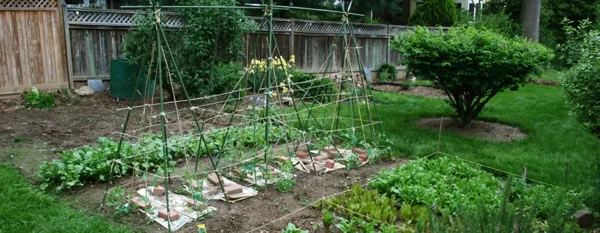
Use trellises, climbing crops and stacked containers to make a small garden more productive without creating a watering problem.
Choose a container, wildlife pond or moving-water feature around the space and maintenance you have.
Build the diet around suitable hay or grass, with measured extras and clean water.
Understand what professional landscape design can solve, what to put in the brief and how to compare proposals before construction begins.
Work with your climate, manage water and exposure, and keep the garden useful without applying one winter routine to every plant.
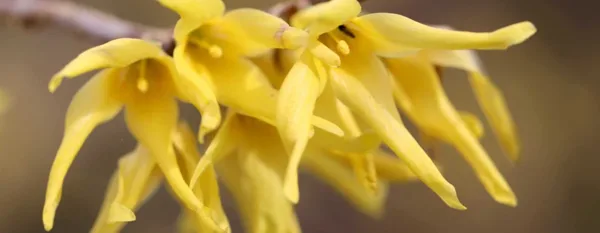
Find a yellow-flowered shrub that fits your soil, available space and the time of year you want color.
A bright room and a dry border need different yuccas. Identify yours before deciding how much sun, water or winter protection it needs.
Try a broader search or clear a filter.