Grow your own5 min read
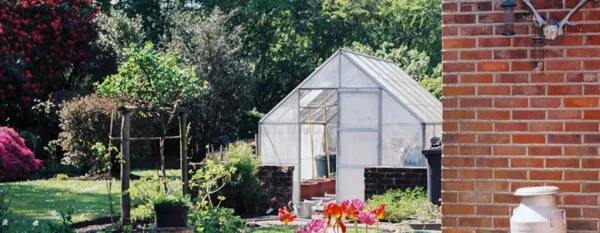
A small greenhouse: what it can do, and what it cannot
Choose a protected growing space around the plants, ventilation and winter conditions you can realistically manage.
A little knowledge. A better garden.
From the first planting to the harvest. Practical guidance for a little more of your own.
Choose a protected growing space around the plants, ventilation and winter conditions you can realistically manage.
A small patch of chamomile can supply fragrant flowers for the cup. Here is how to grow the right plant, harvest it cleanly and keep health claims in perspective.
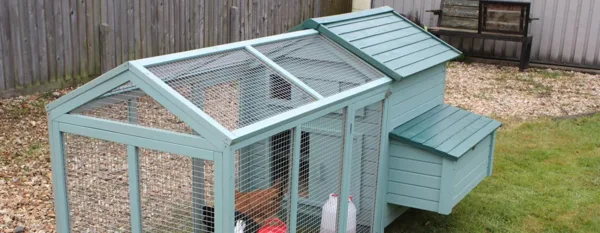
Evaluate a coop for flock space, dry shelter, ventilation, predator protection and daily access before choosing its appearance.
Understand complete feed, life stages, calcium, grit and treats without relying on an unbalanced homemade grain mix.
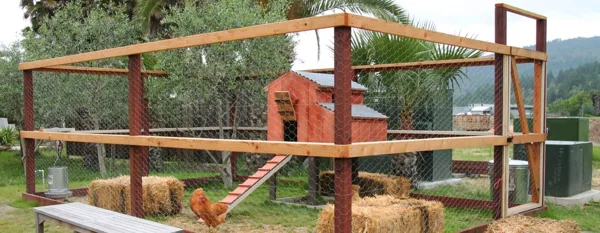
Make housing work for the flock through daily checks, dry bedding, ventilation and practical maintenance.
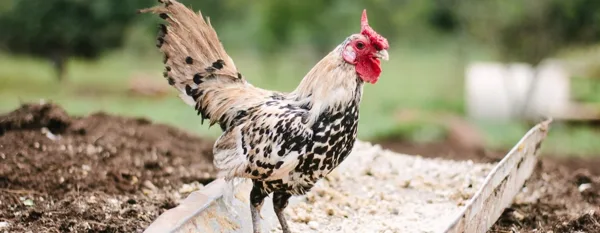
Compare laying hens, dual-purpose birds and ornamental breeds by the conditions and care you can provide.
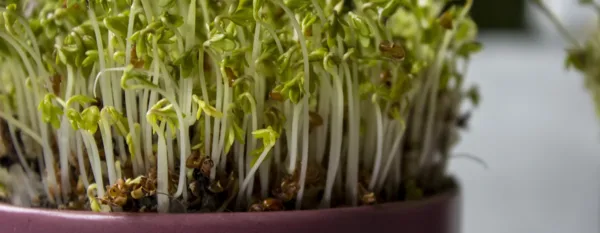
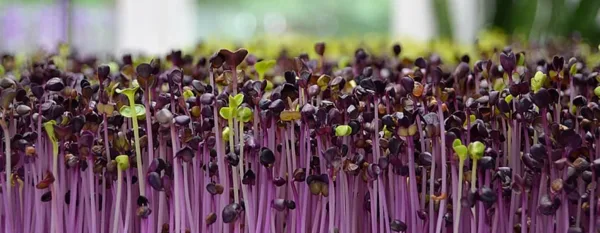
Choose achievable indoor crops and give them suitable containers, light and a realistic harvest routine.
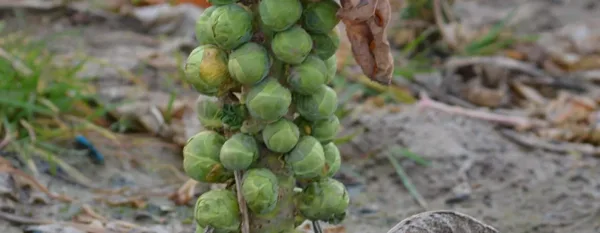
Plan the long growing season, give the plants firm fertile ground and harvest the tight sprouts as they develop up the stem.
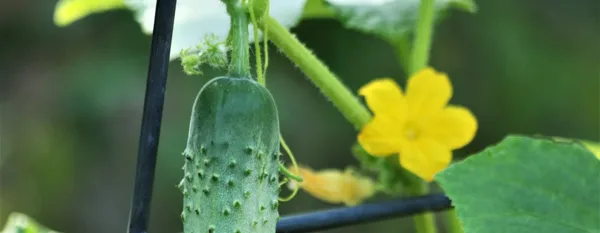
Choose an outdoor or greenhouse variety first. Then give cucumber roots warm soil, consistent moisture and enough space to keep picking comfortably.
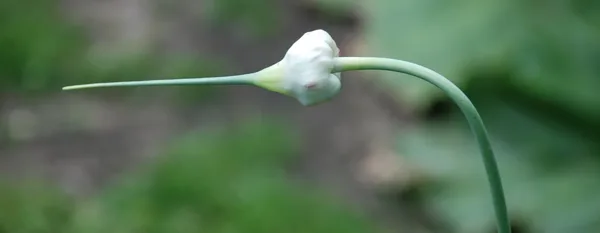
Choose garlic suited to your climate, plant into free-draining soil and use the leaves—not a fixed calendar date—to judge the approach of harvest.
Start with an edible species, clean materials and a small batch, keeping food hygiene part of the growing routine.
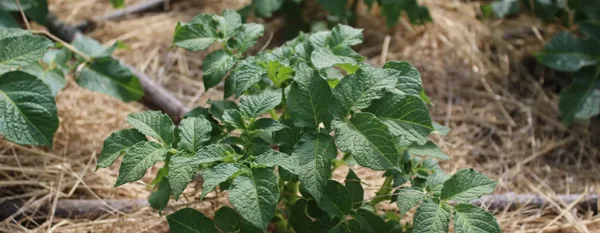
Start with healthy seed potatoes, keep developing tubers covered and choose a harvest time that matches the way you want to use the crop.
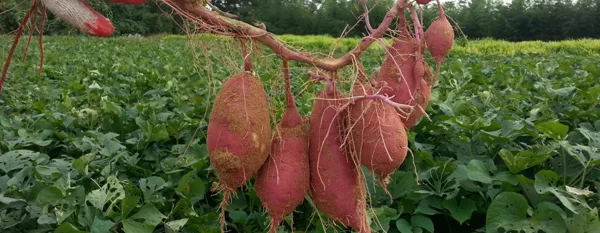
Choose a variety for your growing season, establish healthy slips, and harvest roots without damaging their delicate skins.
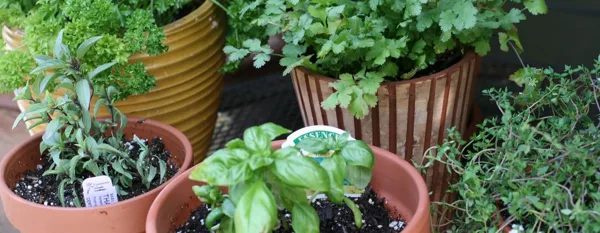
Choose a small useful collection, group herbs by their needs and make harvesting part of the garden layout.
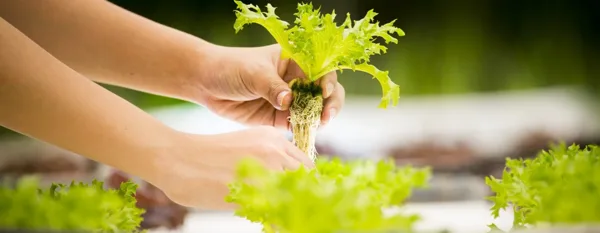
Understand nutrient solution, root oxygen and light before choosing a small soil-free growing setup.
Understand the basic process, organize clean equipment and choose a complete validated method rather than improvising with milk and warmth.
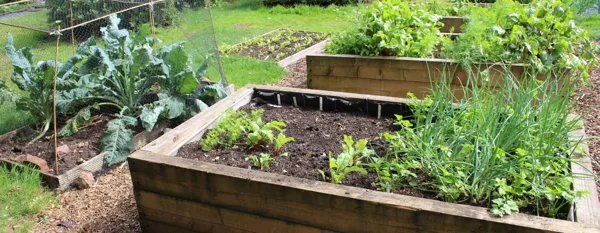
Decide whether a raised bed solves a real growing problem, then size and fill it for the crops and gardener.
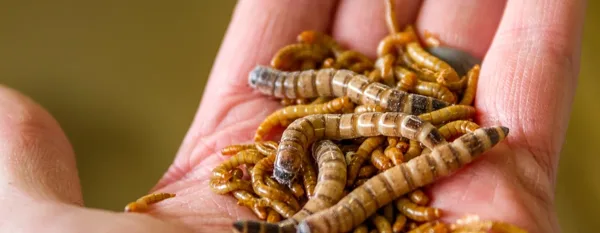
Understand the beetles behind the larvae, then keep any poultry-feed use legal and nutritionally appropriate.
Prepare the soil, sow at the right stage and move plants outside gradually, keeping local weather ahead of the calendar.
Research customers, measure production and labour, and build a small commercial growing plan around evidence rather than crop-price promises.
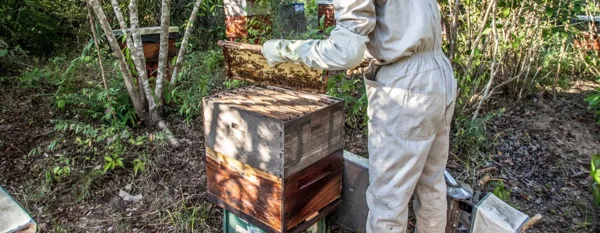
Learn what a hive needs, find local instruction and plan health management before acquiring honey bees.
Understand true tea, herbal infusions, processing and caffeine without turning a drink into a list of medical promises.
Work with your climate, manage water and exposure, and keep the garden useful without applying one winter routine to every plant.
Try a broader search or clear a filter.