In this guide
At a glance
- First question
- Cut flowers or a plant to keep?
- Check the household
- Pets, allergies and available space
- For a gardener
- Match light, climate and mature size
- Presentation
- A useful vase or pot can complete the gift
A flower gift feels more personal when it reflects the person receiving it. That might mean a generous bunch of garden roses, a bright little vase for the kitchen, or a plant she has been making room for on the windowsill. The most expensive arrangement is not automatically the most thoughtful one.
Start with her habits. Does she enjoy arranging stems, or would she prefer something ready for the table? Does she grow plants, travel often, share the house with a cat, or dislike strong fragrance? Those details make better decisions than a chart assigning a fixed meaning to every flower color.
Choose the character of the bouquet
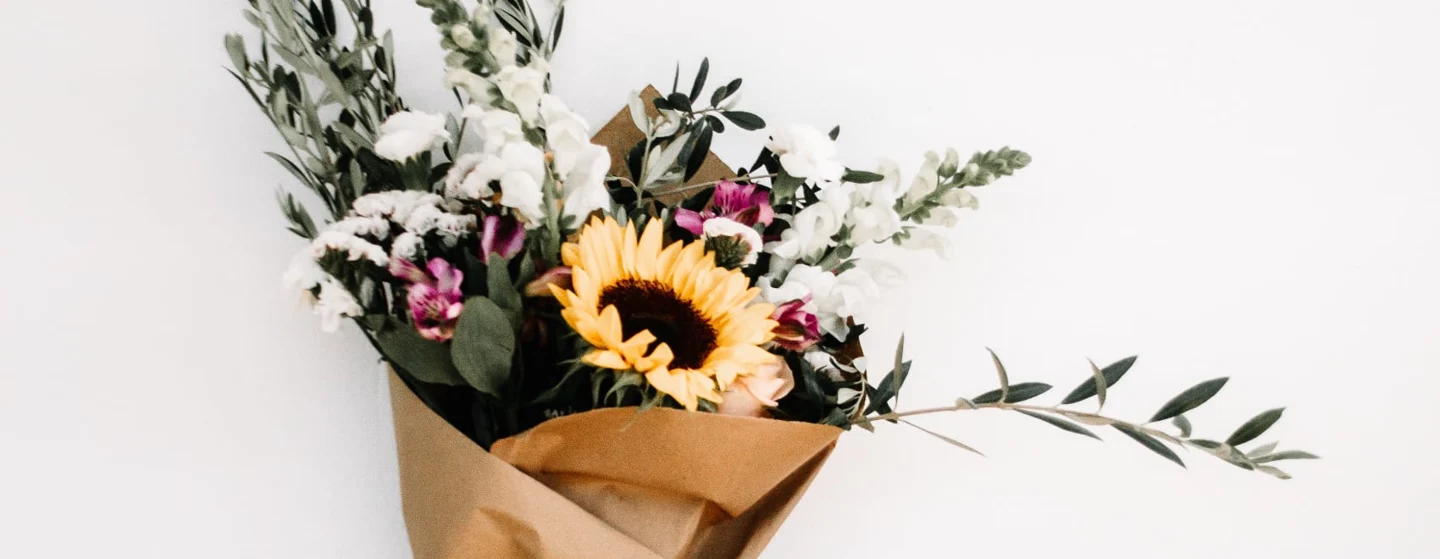
Carnations have a long association with Mother's Day and remain a lovely choice when you want ruffled texture and a generous-looking bunch. Roses suit someone who enjoys a softer, romantic arrangement. They can be loose and garden-like rather than tightly packed into a formal dome.
Tulips bring a lighter, less ceremonial feeling to a room. Their stems continue to move in the vase, which is part of their appeal; give them room instead of expecting an arrangement to remain perfectly fixed. Gerberas create a cleaner, brighter shape and work well when the recipient favors bold color.
Think about where the flowers will sit. A tall bouquet can be beautiful on a side table and inconvenient in the middle of lunch. If you are taking flowers to a celebration, a modest arrangement already in water may be easier to receive than a huge wrapped bunch that immediately needs a vase and attention.
Give a living plant with a realistic home
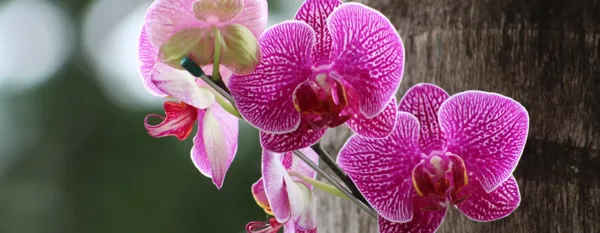
A flowering plant offers a longer project, but only if the recipient wants one. A moth orchid is a different commitment from a rose for the garden, and a container plant will still need a suitable position after the wrapping comes off.
For an outdoor plant, check the local climate, the available sunlight, soil conditions, and eventual size. A shrub chosen because it fits in the car can outgrow the place intended for it. Ask discreetly about a plant she would actually like, or choose a visit to a nursery together if the decision is very personal.
Avoid turning the gift into an obligation. Someone who is downsizing, traveling, or already caring for a crowded windowsill may enjoy cut flowers far more than another pot to water. A beautiful plant in the wrong home is mostly a polite storage problem.
Check pets before choosing stems
Flowers need particular care in a home with cats. True lilies and daylilies, Lilium and Hemerocallis, are especially dangerous to them; even small exposures can be serious. Keep those flowers out of a cat's home and check mixed bouquets rather than relying on the main flower named on the label.
Other familiar flowers and plants can also be toxic. Ask the florist for a clearly identified arrangement and check the botanical names against a veterinary source such as the ASPCA database. Do not assume that a plant is safe because it is sold as a gift or displayed beside edible herbs.
Strong scent is a separate consideration. If fragrance bothers her, choose for appearance and tell the florist that low scent matters. Thoughtfulness can be as simple as leaving out the feature she would find difficult to live with.
Make the first day easy
If you are arranging the flowers yourself, use a clean vase and clean cutting tools. Remove foliage that would sit beneath the waterline, recut the stems, and place them in clean water. Follow the instructions for any supplied flower food. Keep the finished arrangement away from radiators and harsh direct sun.
Send brief care instructions with a living plant, including its name and the light it needs. Use a nursery pot with drainage inside a decorative outer pot, and make clear that collected water should be emptied. That is more useful than a vague promise that the plant is impossible to kill.
Plan the hour when the flowers arrive
The moment of arrival can undo a thoughtful choice. A large wrapped bouquet brought to lunch needs somewhere to drink, a clean vase, cutting tools, and a person temporarily willing to leave the table. A smaller arrangement already standing in water can be the more generous gift in that situation.
For flowers cut from your garden, arrange the holding bucket before you begin. Iowa State Extension recommends harvesting at the appropriate stage for the species, when stems are well hydrated, and getting them into water promptly. Some flowers are cut in bud and others more open; choosing every stem by the same rule can leave a bouquet that never develops as expected.
Give the gift a realistic handover plan:
| Situation | A useful format |
|---|---|
| She is hosting the meal | A stable, modest arrangement already in a usable vessel |
| She enjoys arranging flowers | Identified stems in good condition, with time and a suitable place to condition them |
| The flowers will travel with you | A protected upright arrangement and a route that avoids leaving it in a hot vehicle |
| No one can confirm receipt | Reschedule rather than assume a doorstep will protect flowers from heat or frost |
Use a proper floral preservative as directed when one is provided. Iowa State advises that clean water is preferable to improvising with aspirin, pennies, sugar, bleach, or similar household recipes. More ingredients do not make the mixture more suitable for the flowers.
Remove any wrapping that prevents the arrangement being used as intended, and include the flower names where identification matters, especially in a home with pets. Do not label a mixed bouquet pet-safe unless its actual components have been checked.
For a living plant, put the same care into the next hour: a draining inner pot, simple instructions, a name, and somewhere out of damaging weather while it settles. The most thoughtful presentation is the one that makes receiving the gift pleasant rather than creating an urgent task before the celebration has begun.
Leave room for the personal detail
Mother's Day falls on different dates around the world, so check the recipient's location before arranging delivery. Confirm that someone can receive the gift and that the flowers will not spend the day outside in unsuitable weather.
A short note recalling why you chose the flowers usually adds more than an elaborate explanation of their symbolism. Choose something that will be pleasant in her actual home, give it in a form she can use, and let the gesture do the rest.
Sources & further reading
This guide draws on horticultural and specialist references. Conditions vary with climate, cultivar, and site.
- RHS: cut-flower conditioning and vase care
- ASPCA: important toxic flowers and plants
- ASPCA: cat plant database
- Iowa State Extension: harvesting, conditioning and caring for cut flowers