In this guide
At a glance
- First check
- Species and seasonal growth
- Light
- Often bright; needs vary
- Pot
- Drainage holes essential
- Mix
- Appropriate and free draining
- Water
- Let the root zone dry appropriately
- Winter
- Cold and wet together are a risk
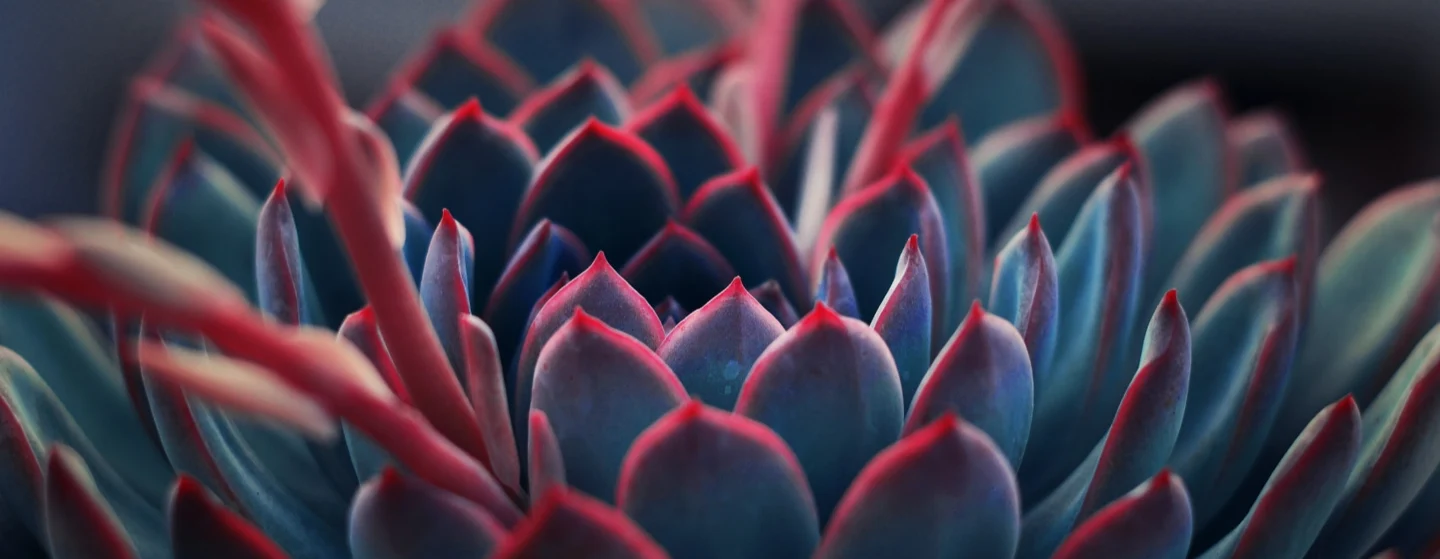
A succulent’s shape is often its best feature: a tight rosette, a stack of rounded leaves or a branching outline that looks almost sculptural. Good care keeps that form compact and healthy. A stretched stem or a collapsing base tells you more than the fact that the plant is still technically alive.
‘Succulent’ describes water-storing tissues, not one botanical family or one set of conditions. Identify the plant before copying a routine. A sun-loving rosette, a snake plant and a forest cactus may all store water, yet need different treatment.
Use the name to understand the growth cycle
Common choices include aloes, jade plants, echeverias, haworthias and sempervivums. Some are tender houseplants in cold climates; others can grow outdoors in suitable sites. Some rest in winter, while others have a different seasonal rhythm. Do not assume that every succulent is a desert plant or that every small plant is naturally miniature.
This is a care guide rather than a catalogue of species. Keep the botanical name and check its particular light, temperature and dormancy requirements. A mixed arrangement is easiest when the plants genuinely share those needs rather than merely looking good in the same bowl.
Give the plant enough light, gradually
Many succulents need bright light and some direct sun to hold their characteristic form. Keeping all succulents out of direct sunlight, as a universal instruction, can produce weak stretched growth. Other species prefer gentler exposure, so the name still matters.
Acclimatize a plant gradually when moving it from a shaded shop or room into stronger sun. A sudden move onto a hot windowsill can scorch leaves even on a species that ultimately likes sun. If new growth stretches toward the window, improve light rather than expecting fertilizer to restore the shape.
Make drainage real
Use a container with drainage holes and an appropriate free-draining growing medium. A gritty cactus-and-succulent mix can suit many commonly grown arid-adapted types, but not every epiphytic cactus needs the same blend. Avoid a large pot full of unused wet compost around a very small rootball.
Stones at the bottom of a closed pot do not create an outlet for water. Keep the plant in a draining inner pot if you want a decorative outer container, and empty the collected water after watering. An enclosed terrarium that stays humid and wet is a poor match for many dry-growing succulents.
Check nursery pots hidden inside decorative covers; collected water is easy to overlook.
Water thoroughly when the plant needs it
Check moisture through the root zone rather than judging only by the dry surface. When appropriate for the plant, water enough to wet the roots, allow the excess to escape and then wait for suitable drying before watering again. Small repeated sips are not automatically safer.
The interval changes with light, temperature, pot material, root crowding and active growth. Do not set a weekly rule for the whole collection. Reduce water during an appropriate resting period, but remember that repeated severe drought can also damage a plant. Drought tolerance is not a request never to water.
Keep the healthy growth, or start again from it
A stretched succulent can be alive and still have lost the shape you wanted. Improving the light helps future growth, but an elongated stem does not shrink back into a compact rosette. Decide whether to keep it as a characterful plant, prune it where the species permits, or propagate sound material for a fresh start.
Before cutting, separate a shape problem from a health problem. A firm, stretched stem in a draining pot calls for a different decision from a soft, dark base in wet compost. Inspect the roots and stem, isolate suspect pest problems from the collection and identify the plant. Never take a cutting merely because the top looks better than the base; check that the part you intend to keep is sound.
University of Minnesota Extension describes stem propagation for many commonly grown cacti and succulents: a cut surface is allowed to dry before the cutting enters a suitable rooting medium. The method and drying interval still depend on the species. A detached leaf is not a universal route to a new plant, and tender forest cacti should not inherit every instruction written for an arid-growing rosette.
Set up the destination before taking material. Use a clean, draining pot proportionate to the cutting and label it with the plant's name and date. Give appropriate light without suddenly exposing unestablished material to fierce sun. Follow species-specific watering guidance; a cutting without a working root system cannot be treated as an established thirsty plant.
If the plant has irritating sap or difficult spines, use appropriate handling protection and keep cut material away from children and pets. Some plants are better left intact while you identify them. The useful goal is a healthy collection with a workable place to grow, rather than rescuing every fallen leaf because it is technically capable of becoming another pot.
Look at roots before diagnosing leaves
Soft or shriveled leaves can occur with more than one problem. Check whether the mix is dry or wet and whether roots are firm before adding water. Look for pests such as mealybugs in leaf joints and around the rootball. Do not treat every damaged patch as sunburn or every yellow leaf as a fertilizer deficiency.
Offsets, stem cuttings and leaf cuttings are useful for different succulents, but not every leaf can produce a new plant. Follow the method for the species, allowing cut surfaces to dry where appropriate before rooting. Keep irritating sap, spines and toxic plants away from pets and children. Enjoy the plants for their form and growth rather than promises of disease prevention, pain relief or household air purification.
Sources & further reading
This guide draws on horticultural and specialist references. Conditions vary with climate, cultivar, and site.
- RHS: houseplant cacti and succulent growing guide
- RHS: hardy cacti and succulents
- University of Minnesota: succulent propagation and growing conditions