Plants5 min read
Air plant care: light, water and room to dry
Tillandsia does not need a pot of soil, but it still needs dependable moisture and airflow. Choose a display that lets you care for the plant.
Tillandsia species
Good light, a suitable home, and care that makes sense for the plant. Get to know what you grow.
Tillandsia does not need a pot of soil, but it still needs dependable moisture and airflow. Choose a display that lets you care for the plant.
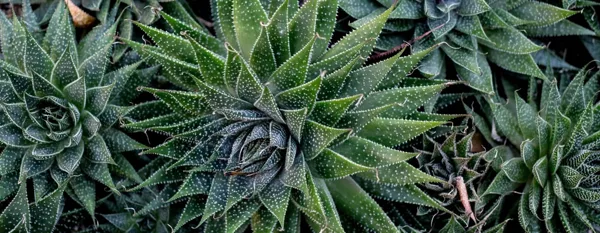
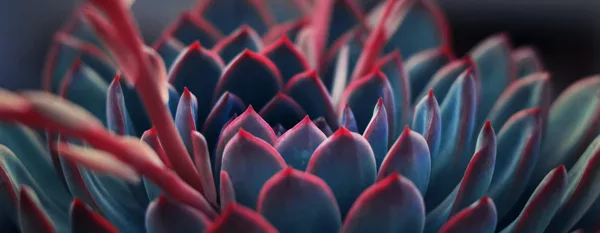
Give this sculptural succulent a bright position, drainage and time to dry. Keep growing advice separate from homemade medical or edible preparations.
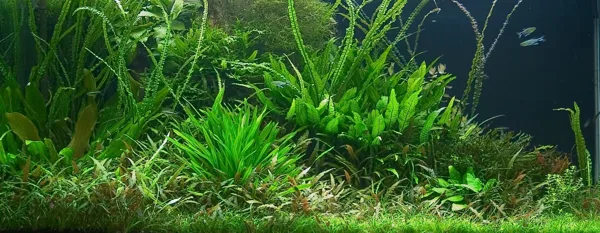
Build a freshwater planting around light, growing space and the way each plant roots. A beautiful tank starts with compatible demands, not the longest plant list.
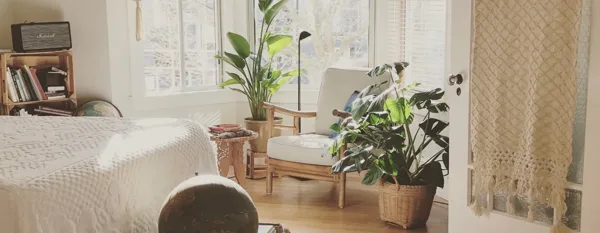
A good bedroom plant fits the window, stays clear of the bedside routine and needs care you can comfortably provide.
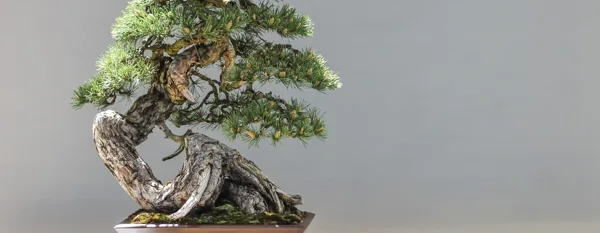
Choose an appropriate species and understand its light, seasonal, watering and training needs before shaping it.
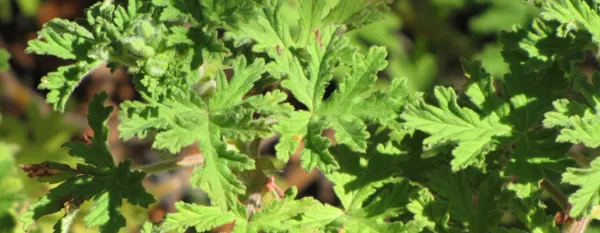
The plant sold as mosquito geranium is a fragrant ornamental, not a dependable mosquito barrier. Identify it before borrowing advice for citronella grass.
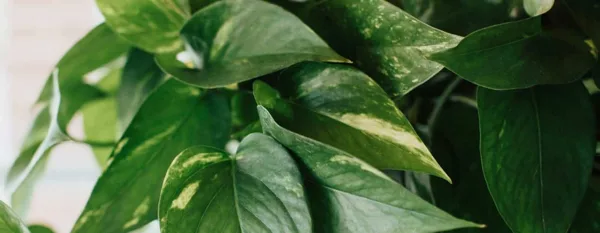
A trailing pothos can soften a shelf or climb a support. Keep its roots out of standing water, give it useful light and prune with the shape in mind.
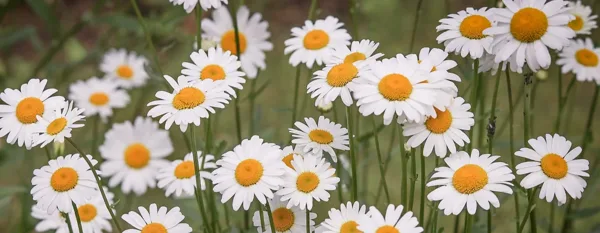
Shasta daisies, African daisies and gerberas share a familiar flower shape, but need different treatment. Choose the plant for the border, pot and winter you actually have.
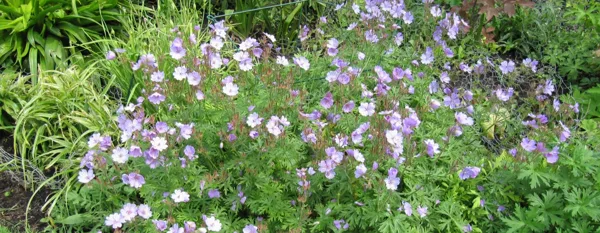
The familiar bedding geranium is usually a pelargonium. Give it sun, drainage and a considered winter plan, whether it trails from a basket or stands in a pot by the door.
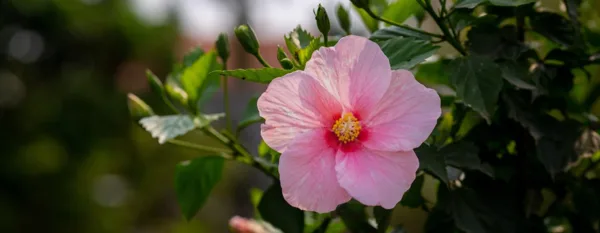
A tropical hibiscus in a pot and a hardy rose mallow in the border need different winters. Identify the plant first, then give its flowers a realistic setting.
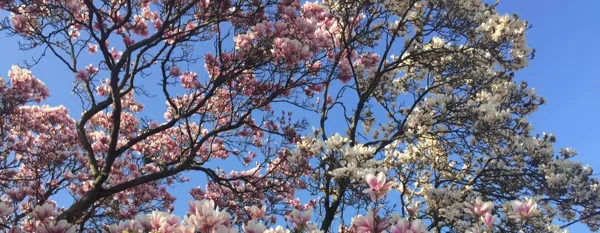
Match mature size, soil and flowering time to the site before choosing a flower color. A suitable magnolia needs far less correction later.
Compare light, size, watering and pet safety before choosing a plant. A manageable shortlist is more useful than a universal ranking.
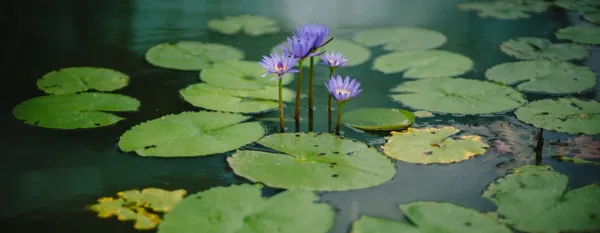
Match each plant to its position, mature size and local suitability, instead of using one international list for every stretch of water.
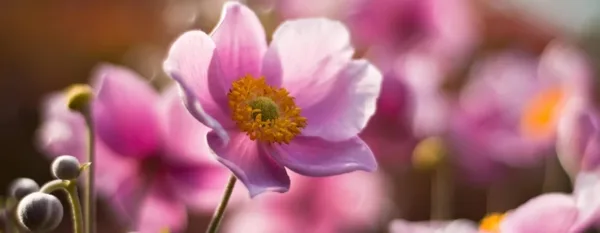
Spring woodland carpets, jewel-colored cutting flowers and late-season borders need different anemones. Start with the growing conditions, then choose your flowers.
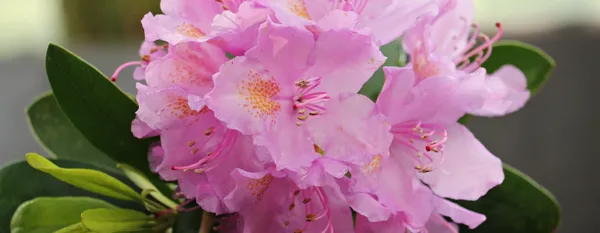
Choose an azalea for your climate and its eventual size, then give its shallow roots acidic soil, drainage and steady moisture.
Choose a manageable species, plan containment before planting and keep true bamboo separate from the houseplant sold as lucky bamboo.
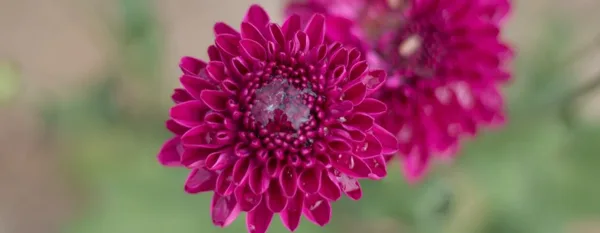
Choose a genuinely hardy garden mum for a lasting border, or enjoy a florist plant as a seasonal display without expecting the same winter performance.
Choose a manageable variety, put supports in early and protect the emerging shoots before they become a tall summer display.
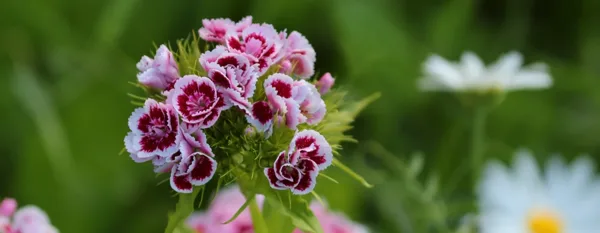
The fringed flowers are familiar; the plants behind them vary. Choose the right dianthus, then prioritize sun, drainage and careful deadheading.
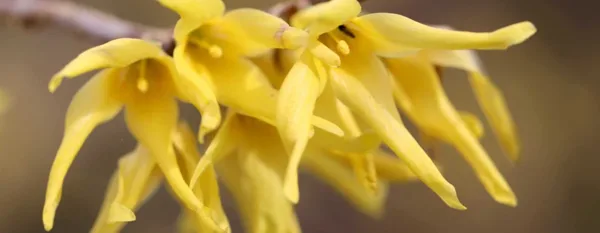
Give this spring-flowering shrub room for its arching stems, then prune after the display rather than before it.
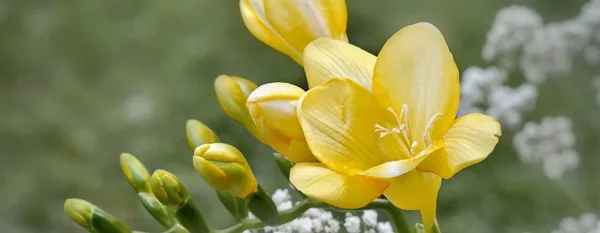
Plant the right corms for your season, support the stems early and keep the leaves after flowering so the corms can rebuild.
Choose ordinary bulbs for the spring border and prepared bulbs for an indoor display. Good drainage and sensible care after flowering matter more than a perfect planting photograph.
Identify the species before cutting. Flowering wood, sun tolerance and color response vary far more than a single hydrangea routine suggests.
True lilies offer striking summer flowers, but soil preferences, root habits and planting depths differ. Start with the name—and consider cats before planting.
Herbaceous, intersectional and tree peonies need different treatment. Start with sun, room and the correct planting level.
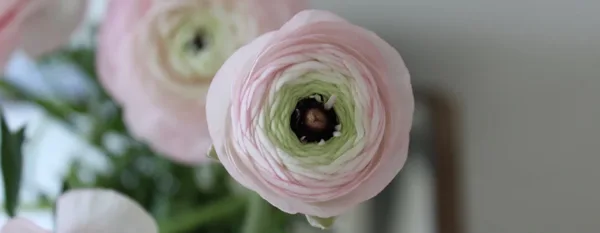
The layered florist flowers belong to Ranunculus asiaticus. Give them a cool growing season, excellent drainage and protection appropriate to your climate.
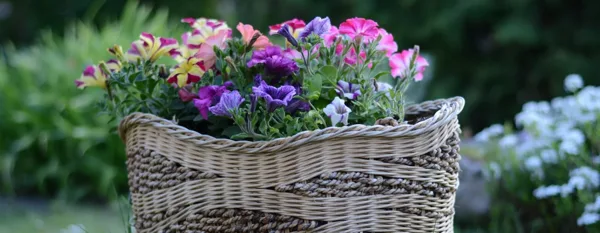
Choose a growth habit that fits the container, then keep light, moisture and feeding working together through summer.
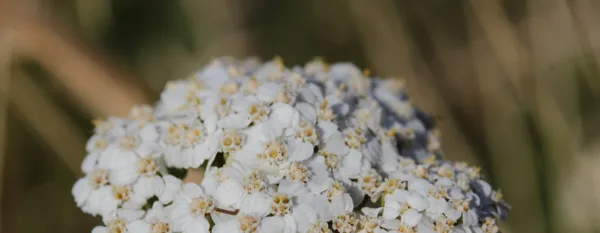
Flat flowerheads and finely cut leaves make achilleas useful partners for grasses and upright perennials. Give them drainage, choose the right type and leave room for their spread.
Build an open aquatic plant display with suitable materials, realistic water care and no promise of a sealed animal ecosystem.
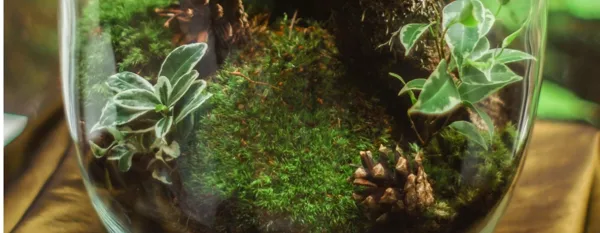
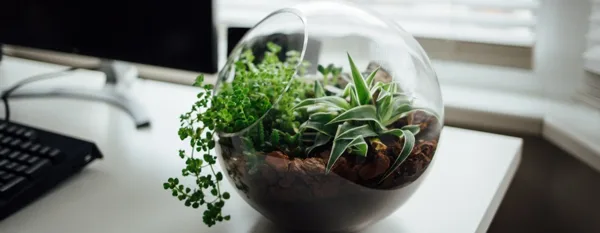
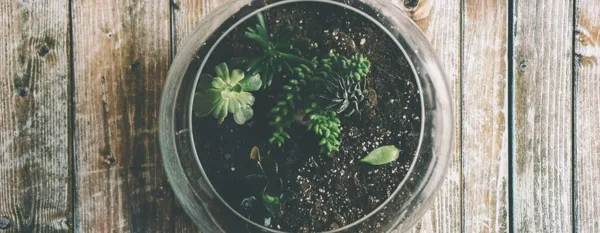
Build a small garden around compatible plants and a vessel you can reach, then adjust water and ventilation through observation.
Choose an annual display or a lasting meadow, prepare properly and plan for the care that keeps flowers in the picture.
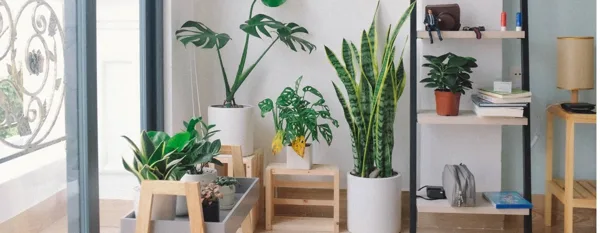
Find the right light, choose a manageable collection and make living plants part of a room without making care awkward.
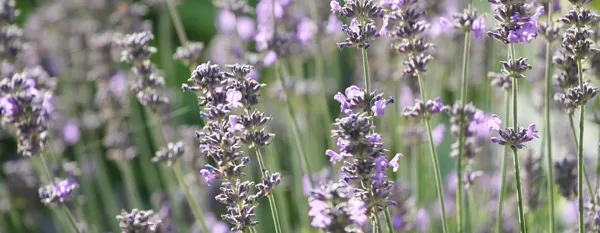
The scent is the attraction; sunshine and drainage do the practical work. Match the lavender to your winter conditions, then keep a compact shape with considered pruning.
Keep the composition simple, choose appropriately scaled plants and plan maintenance before filling a nano aquarium.
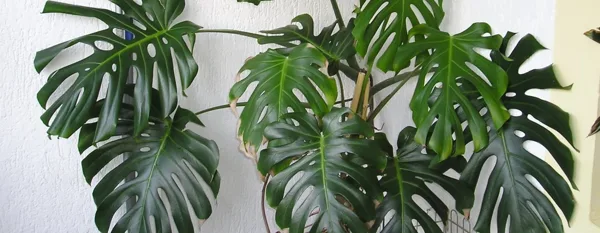
Choose the right species, allow for its mature size and use the root zone to guide watering. Large leaves are a growing habit, not a purchase guarantee.
Thoughtful bouquets and living plants, chosen around the recipient, her space and the care she actually wants to give.
Use this practical Phalaenopsis routine for moth orchids, and recognize when another orchid needs different treatment.
Choose returning plants by growing conditions first, then combine their flowers, foliage and mature size.
Recognize important plant hazards, distinguish misleading common names and know when suspected exposure needs immediate veterinary advice.
Plan adult fish needs, mature the filter before stocking and establish a routine for testing and maintenance.
A dry patch beneath a tree and a sheltered, moist border need different plants. Match the kind of shade first, then build a planting with useful texture and seasonal interest.
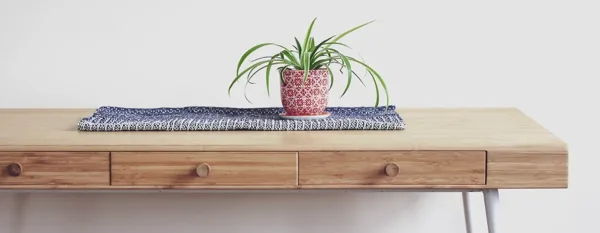
Give Chlorophytum bright indirect light, drainage and room for its arching leaves. Brown tips and a lack of plantlets are clues to investigate, not reasons to start over.
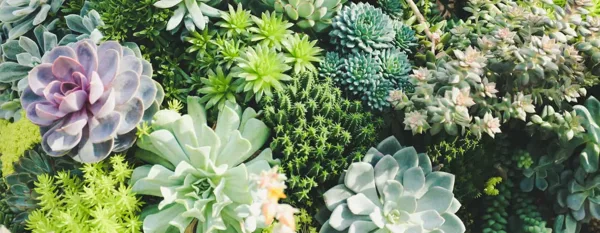
Start with the plant’s identity, then give its roots air and time to dry. Succulents share water-storing tissues, not one universal care routine.
Select a small compatible collection for a closed humid terrarium or an open display, using mature habits rather than nursery-pot size.
Understand rosettes, trailing plants, desert cacti and forest cacti before putting them together in a container.
Evergreen, deciduous, conifer, flowering and fruiting describe different things. Use those distinctions to identify trees and choose one for your garden.
Find a yellow-flowered shrub that fits your soil, available space and the time of year you want color.
A bright room and a dry border need different yuccas. Identify yours before deciding how much sun, water or winter protection it needs.
Try a broader search or clear a filter.