In this guide
At a glance
- Start with
- Soil, light and mature size
- For early color
- Forsythia or witch hazel
- For summer
- Shrubby cinquefoil
- For shade
- Consider suitable mahonias
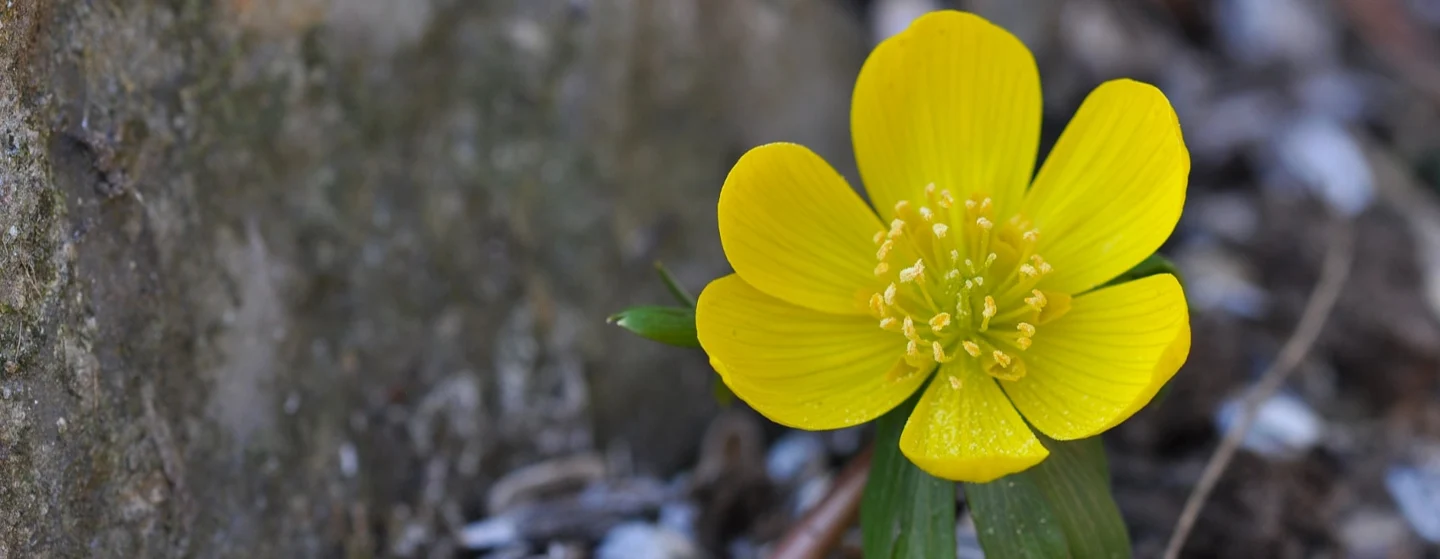
A yellow flowering shrub can do a great deal with a fairly small patch of color. Near the house, it catches the eye on a gray morning; farther down a border, it gives a view somewhere to land. The useful question is which plant will keep doing that in your particular garden.
Flower color is the beginning of the choice. Soil, climate, mature size and flowering season decide whether that choice will work. A shrub with three lovely weeks in spring also spends the rest of the year in your garden, so look at its leaves, shape and eventual footprint before finding room for it.
For a strong early display: forsythia
Forsythia produces yellow flowers along bare stems before its leaves develop. It suits an informal hedge or the back of a border where the branches can have some freedom. A plant repeatedly clipped into a tight shape is a different proposition from the loose, arching shrub seen in a photograph.
Choose the cultivar for the available space and check its local hardiness. Give it sun for the best flowering and avoid waterlogged ground. Pruning after flowering protects the following year’s display; cutting back at the wrong time can remove the wood carrying those future flowers. If your gap is small, begin with a genuinely smaller cultivar rather than planning to keep a large one permanently restrained.
For winter interest: witch hazel and mahonia
Witch hazels offer fine, ribbon-like flowers on leafless branches, often with fragrance as an extra reason to walk past. Choose a yellow-flowered cultivar if yellow is essential: the genus also includes orange and red flowers. These shrubs can become broad, substantial plants, and they prefer neutral to acid, well-drained soil. A narrow strip over chalk is an invitation to frustration.
Mahonia gives a very different effect. Its evergreen foliage provides structure, while yellow flower clusters or sprays brighten the colder part of the year. Select by species and cultivar because size and flowering time vary considerably. Many suit a sheltered, shaded position with moisture-retentive soil that drains well. Spiny foliage can be useful at the back of a planting, but is less appealing beside a narrow path that brushes bare legs.
For a lower summer planting: shrubby cinquefoil
Shrubby cinquefoil, often sold as shrubby potentilla, is one plant group rather than two separate suggestions. Yellow cultivars provide a long summer display on a relatively compact, mounding shrub. They are useful near the front of a sunny mixed border or as a low edging where a large spring shrub would overwhelm everything around it.
Give these plants freely draining ground in sun or light shade. Very rich soil is unnecessary, and wet winter conditions are a poor fit. Check the named cultivar’s dimensions and flowering color: the group includes white, pink and orange choices as well as yellow. A low shrub can still spread enough to crowd a small path.
Other choices need their own conditions
Kerria japonica brings golden flowers and green, arching stems to a spring planting. It can sucker and spread, so put it where that habit will be welcome rather than where every new shoot becomes a maintenance job. A yellow-flowered rose offers a different scale of detail and can suit a border or supported position, depending on the rose. Match its growth habit and disease performance to your region.
A yellow azalea is worth considering where acid soil and suitable moisture are already available. Choosing the correct plant for your soil is easier than repeatedly trying to change an unsuitable bed. Likewise, a broom suited to a lean, freely draining site should not be treated as interchangeable with a moisture-loving woodland shrub.
Keep the flowers when you reach for the shears
Choosing a yellow shrub for each season is straightforward until every plant receives the same spring haircut. Flowering time is also information about the wood carrying those flowers. Keep the botanical name and a pruning note together so a general tidy-up does not remove the display you planted for.
The RHS pruning groups separate early-flowering shrubs that flower on growth made previously from groups flowering later on current growth. Forsythia and kerria appear in different early-flowering groups because their renewal habits differ. This is more useful than treating every yellow shrub as one pruning category.
| The shrub's role | What to check before cutting |
|---|---|
| Forsythia as a loose spring feature | Prune after flowering; retain suitable new growth for future blooms |
| Kerria with arching green stems | Follow its renewal method and account for basal growth and spread |
| Witch hazel as a winter specimen | Preserve its natural framework and check its light-pruning requirements |
| A compact shrubby cinquefoil | Use guidance for that named shrub rather than copying a forsythia treatment |
For an inherited shrub, take a photograph before flowering and another after it finishes. Mark which stems carried the display, then consult the relevant plant guide. If the species is not certain, identification is a better first job than drastic renovation.
Also decide whether the plant actually needs to be smaller. A shrub repeatedly cut away from a path may be in the wrong position or be the wrong cultivar for the gap. Routine clipping can keep it within an outline while sacrificing much of its natural form and flowers. A smaller suitable replacement may cost less effort over time.
Leave a practical route to the stems you need to reach and inspect the plant before working, including for active nesting wildlife. A good pruning plan keeps the shrub useful after this year's flowers, instead of making next spring's colour depend on what survived an indiscriminate trim.
Make one choice do its job well
Decide whether you want a short, vivid display or color spread across several seasons. A spring shrub paired with later-flowering perennials can be more satisfying than a collection of yellow shrubs that all peak together. Leave room around each plant for its adult shape and position the most fragrant flowers where they can be noticed.
Yellow-variegated euonymus can brighten a border, but its main ornamental feature is foliage, not a showy yellow floral display. Keeping that distinction clear prevents the wrong purchase. Before planting any unfamiliar shrub, check its regional suitability and invasive status. The best yellow shrub is the one that belongs in the space after the flowers have gone.
Sources & further reading
This guide draws on horticultural and specialist references. Conditions vary with climate, cultivar, and site.
- RHS: Shrubby potentillas
- RHS: Witch hazel
- RHS: Mahonia
- RHS: Kerria japonica
- RHS: Evergreen euonymus
- RHS: pruning groups and flowering wood