In this guide
At a glance
- Start with
- Local restrictions and a safe usable position
- Design around
- Clear space, circulation and the fuel system
- Construction
- Purpose-designed materials and competent installation
- Every use
- Supervision, suitable conditions and full shutdown
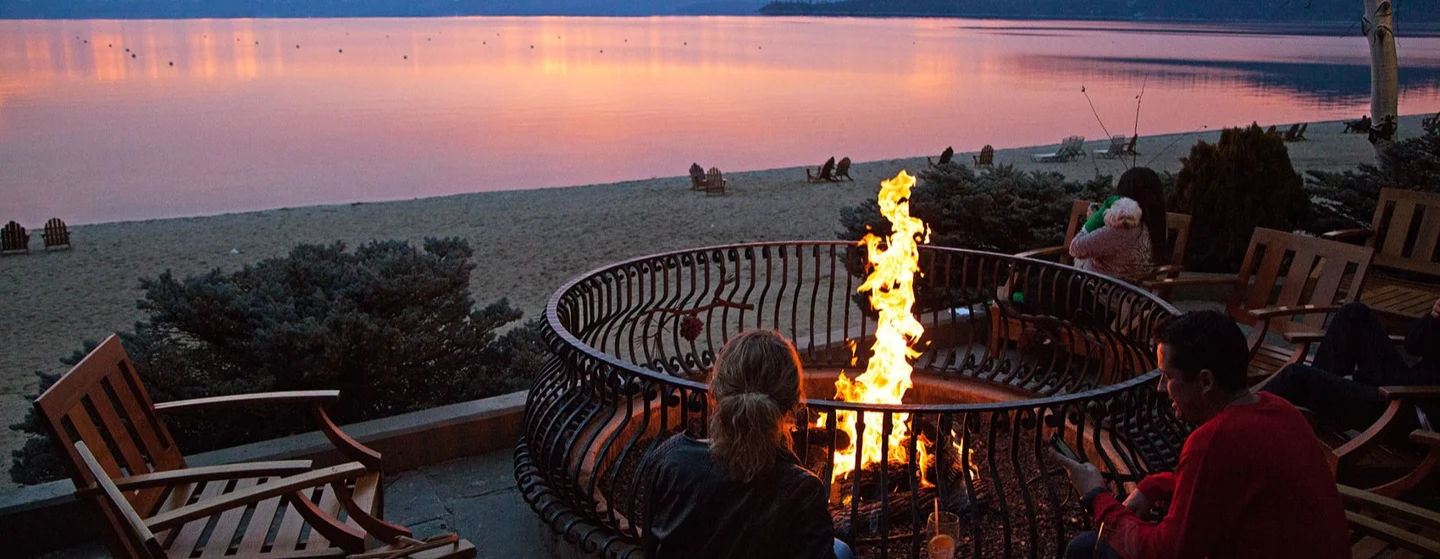
A fire pit can give an outdoor sitting area a clear center. It gathers the chairs, adds a reason to stay outside on a cool evening, and can look quietly sculptural when it is not lit. The best arrangement feels like part of the garden rather than a large hot object dropped into the remaining space.
Begin with the site, not the shape of the bowl. If the garden cannot accommodate the required clearances, safe access, and suitable operating conditions, choose a different focal point. A small space does not make the fire smaller in all the ways that matter.
Decide whether the location works
Check current local fire restrictions, burn bans, property rules, and any approvals needed before buying or building. Requirements differ by place and by fuel and appliance. Follow the manufacturer's installation and operating instructions, and use the more restrictive requirement where local rules demand it.
Keep the fire well away from the house, fences, overhanging branches, planting, stored materials, and anything else that can burn. The US Fire Administration's general guidance calls for fire pits and outdoor fireplaces to be used outdoors at least ten feet from a home or combustible material; your appliance or local authority may require more. That number is not a universal design clearance.
Consider smoke, wind, neighbors, and the route between the house and the seats. Do not assume a backyard position guarantees that smoke will stay on your property. A fire pit should not block the natural way out of the sitting area.
Choose a form that fits the layout
A round bowl works comfortably with loose chairs and a curved setting. It can be a useful choice when you want furniture to move with the size of a gathering. Leave the required operating space clear rather than filling every gap with a stool.
A square or rectangular form can sit more easily within a geometric terrace. It may align with paving joints or the edge of a seating area, giving the garden a calmer composition. Avoid letting its resemblance to a coffee table encourage people to put unsuitable objects close to heat.
A built-in pit can look settled and substantial, but it also commits the space to one use. Draw the garden with the fire unlit and all the chairs in position. If the arrangement feels cramped then, it will not improve when everyone tries to sit around a flame.
Choose the arrangement for how people will sit
| Arrangement | What it offers | What to test |
|---|---|---|
| Movable chairs around a central pit | Flexible group size and easy changes | Occupied chairs, a clear exit and the approved operating zone |
| One-sided seating facing a feature | A quieter view and less furniture surrounding heat | Whether heat or smoke makes the fixed seat uncomfortable |
| A table used without flame | An evening gathering place on days when burning is unsuitable | Lighting and usefulness independent of the fire |
These are layout choices, not installation approval. Draw the appliance's specified exclusions separately from the furniture outline. An attractive seating circle is only useful if the two drawings can coexist.
Make the construction do its job
For a permanent installation, use a system designed for fire and have the foundation, lining, drainage, ventilation, and fuel requirements resolved by a competent installer. The decorative outer finish and the heat-exposed structure have different jobs.
Do not turn a photograph of piled stones, ordinary blocks, or a metal container into a construction specification. Materials can fail when heated, and an improvised vessel may be unstable or unsuitable for its fuel. A pleasing surface is not evidence of safe construction.
Gas installations need the appropriate qualified professional and compliance with local requirements. Keep controls, service access, and any cylinder storage within the design rather than hiding them wherever space remains. Never modify a burner, drill a finished appliance, or substitute fuel without the manufacturer's authorization.
Give people comfortable places and clear routes
Use furniture suitable for the setting and keep cushions, throws, and other combustible materials outside the required clearances. A sunken pit does not make it safe to move seats closer; it can also introduce steps and edges that deserve careful design.
A low wall can define a sitting area visually, but built-in seating needs a practical relationship with heat and circulation. Test the layout at full scale before construction, using temporary markers for the pit, chairs, and walking routes. Include the space a person needs to stand up and move away.
Do not treat a balcony, covered terrace, conservatory, or wooden deck as a suitable location simply because the appliance fits. Many settings are unsuitable or prohibited. Have the exact site and appliance assessed against manufacturer instructions and local rules.
Make a full-size dry mockup with the fire unlit and the proposed appliance footprint marked on the ground. Use your actual chairs: reclining backs, footstools and a person standing up take more space than a chair symbol on a plan. Walk the route from the house with drinks, and check that a guest can leave without stepping between the fire and another person. Do not test clearances by lighting a provisional setup.
Keep a useful centre to the arrangement even when burning is suspended. A view into planting, comfortable seats and modest task lighting will still earn the space on a windy evening. If the fire feature makes that ordinary use awkward, reduce its footprint or reconsider it rather than designing the whole terrace around occasional flames.
Small tabletop flames need their own scrutiny. CPSC's July 2026 Houswise warning identifies pooled-alcohol fires and flame jetting; it directs owners of the affected products to stop use. Check the precise model against current safety notices. A compact decorative container should never be treated as a harmless substitute for a properly specified appliance.
Design for the end of the evening too
Keep children closely supervised and do not leave a burning fire unattended. Use a suitable spark screen where specified for a wood-burning unit, and keep appropriate extinguishing equipment available. Avoid use when wind, drought, or local restrictions make conditions unsafe.
Burn only the fuel approved for the appliance, and follow its shutdown instructions. Extinguish the fire fully before leaving the area or going to bed; the pleasant last glow is still a fire. Plan for ash or cooled-fuel disposal according to the appliance guidance and local fire authority advice.
A good fire-pit setting should be attractive on the many days it remains unlit. Choose proportions, materials, and seating you enjoy without a flame, and the garden will ask less of the fire to make the space feel complete.
Sources & further reading
This guide draws on horticultural and specialist references. Conditions vary with climate, cultivar, and site.
- US Fire Administration: outdoor fire safety
- CPSC: July 2026 warning on Houswise liquid-fuel tabletop fire pits