In this guide
At a glance
- Evidence
- Benefits vary; association is not a guaranteed treatment
- Start with
- A small task you can repeat comfortably
- Design for use
- Access, shade, seating and manageable beds
- Keep it enjoyable
- Rest and observation count too
There is a satisfying change of scale in gardening. A problem that filled the morning can give way, briefly, to whether a seedling needs more room or where the first flower has opened. The work has a visible result, but being useful is not its only pleasure. Sometimes the best thing in a garden is the chair you finally sit in.
Research links gardens and gardening with physical activity, psychological wellbeing, and social connection. Those are good reasons to make room for plants. They are not a promise that growing vegetables will prevent a particular disease or replace treatment for a health condition.
Build movement into an ordinary day
Planting, carrying small loads, weeding, and walking between beds can contribute to a more active routine. The amount of activity depends on the task and the person. Ten minutes checking seedlings is different from a morning digging, and both can belong in a garden day.
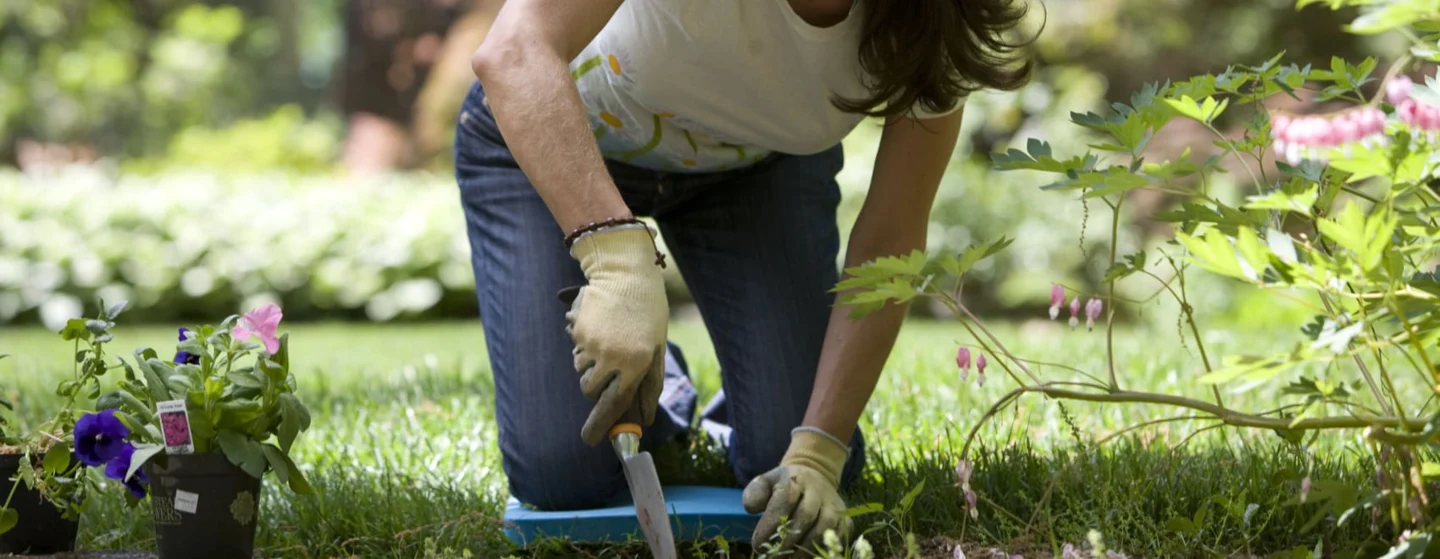
Start at a comfortable level rather than treating a new bed as a fitness test. Use smaller loads, change position, and break a large job into sessions. A raised bed, a seat beside a border, or a lighter watering can can make the difference between continuing a habit and avoiding it after one difficult afternoon.
Gardening should suit your abilities and any guidance from your healthcare team. There is no prize for finishing while exhausted. A garden that can be cared for steadily is usually a better companion than one that demands a heroic weekend every month.
Give your attention somewhere useful to settle
Plants offer things to notice that do not need an immediate response: a leaf unfurling, shifting shade, a bee working along a flower. Research behind the RHS Wellbeing Garden Blueprint emphasizes that actively noticing nature can deepen the restorative experience of being outside.
Try one simple practice. Look for three changes since your last visit, listen for a minute before beginning a task, or keep a small record of what is flowering. You do not need to make the exercise elaborate. The point is to spend a little time in the place rather than immediately scanning it for unfinished work.
Rest is part of the design. Put a seat where you will actually use it, with a view you enjoy and shade when needed. A beautiful bench beyond a muddy path may remain an attractive object; an ordinary chair beside the back door can become a daily habit.
Use the garden as a reason to connect
A shared bed, a conversation over surplus seedlings, or a regular community-garden session can create contact around a practical interest. For someone who finds unstructured socializing difficult, doing a small task alongside another person may feel more comfortable than simply being told to get out more.
Keep the arrangement welcoming. Agree responsibilities, leave space for different skill levels, and make it possible to take part without heavy physical work. Labeling plants, recording harvests, watering a manageable container, or simply joining a garden walk can all have a place.
Connection with food is another possible benefit. Growing a pot of herbs can make cooking more interesting and show how a plant develops before it reaches the plate. It does not guarantee a particular diet or a substantial saving; start with something you enjoy using.
Understand what the research can tell you
An RHS and University of Exeter study using data from nearly 8,000 people found that time in gardens was associated with better reported health, wellbeing, and activity. That is meaningful evidence of a relationship, but an observational association cannot by itself establish that gardening caused every difference.
People's health, income, available time, housing, and access to green space can influence the results. Gardening studies also examine different activities and groups, so a finding from a structured program cannot automatically be applied to every home gardener. Be wary of headlines turning those studies into precise promises about dementia, depression, weight, or longevity.
What one gardening trial actually measured
There is stronger evidence to discuss than a list of uplifting associations, but it still needs careful reading. In the CAPS randomized trial published in The Lancet Planetary Health, adults waiting for community-garden plots were assigned either a plot or a waiting-list control. This tested access to a particular community-gardening intervention, not the effect of placing a plant on every windowsill.
The researchers found differences over time for some outcomes, including fiber intake and moderate-to-vigorous activity, and greater reductions in perceived stress and anxiety in the gardening group. They did not find significant effects for every measure: combined fruit-and-vegetable intake, body mass index, and waist circumference were among the outcomes without significant time-by-intervention differences. The pattern matters more than turning the paper into a claim that gardening makes everyone slimmer.
A practical response is to choose the benefit you want to make easier and arrange the activity around it:
| What you want more of | An arrangement that makes it plausible | What to notice over time |
|---|---|---|
| Comfortable movement | A manageable route and small tasks, with places to rest | Whether you return regularly without paying for it in avoidable strain |
| Social contact | A regular shared session with an agreed, useful role | Whether the arrangement feels welcoming and sustainable |
| More interest in food | A small crop you already enjoy cooking | Whether you harvest and use it, rather than merely keeping it alive |
| Time to unwind | An accessible seat and a short interruption-free visit | Whether you actually spend time there rather than only maintain it |
These are design choices, not promised treatment outcomes. Keep any health-specific guidance from your own care team in place. If the routine becomes burdensome, reduce its scale before deciding that you have failed at gardening. The garden should support the habit you are trying to build; its appearance in a photograph is secondary.
Make the benefits easier to reach
Choose a starting point small enough to maintain: one container, a short border, a place at a community garden, or visits to a nearby public garden. Keep the path clear, protect yourself from heat and sun, and have water and a place to rest available.
Then notice which parts you want to repeat. You may love growing food and dislike mowing, or enjoy watching a border more than maintaining one. The useful garden is the one that supports the life you have. It does not have to look like somebody else's definition of a productive afternoon.
Sources & further reading
This guide draws on horticultural and specialist references. Conditions vary with climate, cultivar, and site.
- RHS: study on spending time in gardens
- RHS: science behind the wellbeing blueprint
- RHS: wellbeing gardens for homes
- UMN Extension: gardening in hot weather
- CAPS randomized community-gardening trial, The Lancet Planetary Health