In this guide
At a glance
- Choose first
- Wildlife, still water or moving water
- Planting
- Match water depth and mature size
- Wildlife access
- Provide a safe way in and out
A little water changes the way a garden feels. Reflections bring the sky down to ground level, a planted edge softens a hard terrace, and a quiet place to sit can become somewhere to watch for movement beneath the surface. The strongest design begins with the experience you want, then gives the water somewhere practical to belong.
A container pond, wildlife pond and recirculating fountain are different projects. So is a hydroponic system, which grows crops with a managed nutrient supply rather than creating a decorative pond habitat. Decide which of these you want before combining photographs into one ambitious plan. The distinction makes the choices about plants, pumps and maintenance much clearer.
A container pond for a small space
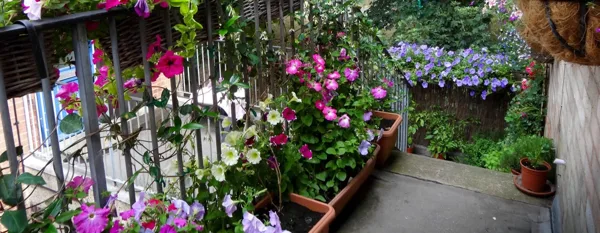
A broad, watertight container can make a convincing focal point without excavation. Test it before planting, consider its filled weight, and place it where maintenance is comfortable. A paved garden can benefit from the contrast between a simple vessel and the softer stems above it.
If wildlife access is part of the aim, provide a stable way in and out, with an appropriate ramp inside and outside a raised container. Choose a small number of plants that suit the water depth and eventual space. A miniature pond needs restraint: a vigorous plant that looks small when purchased can soon occupy most of the vessel.
A pond with a planted edge
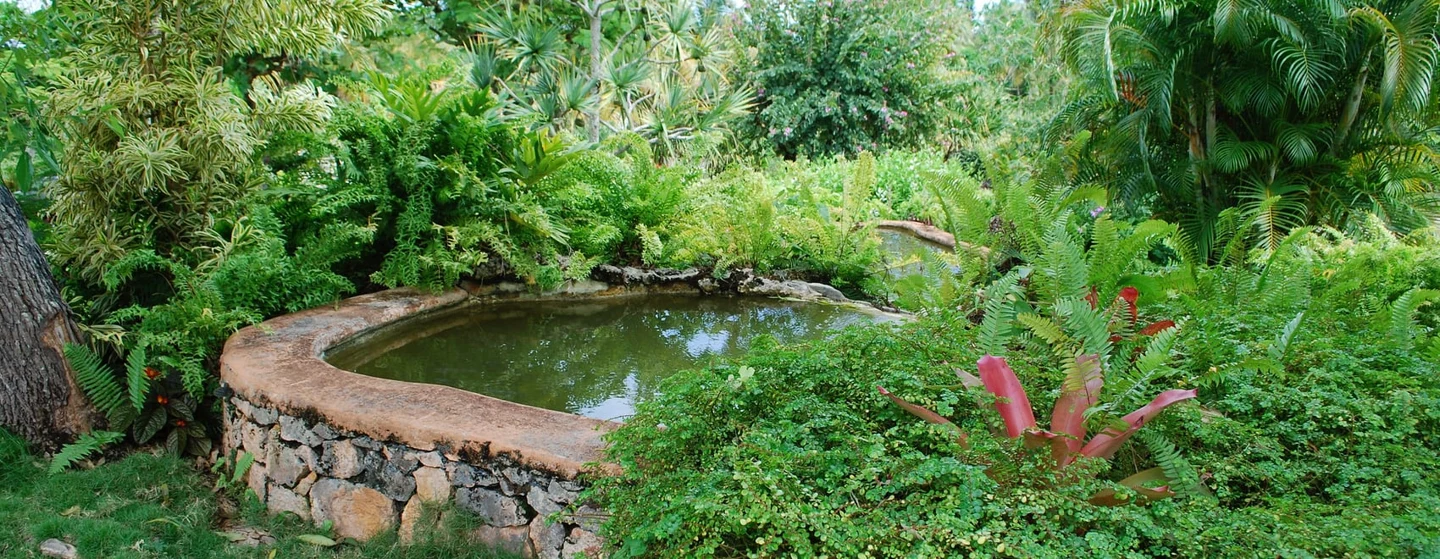
For an in-ground wildlife pond, include a shallow sloping edge rather than a steep-sided bowl all the way around. Different depths allow different plants and give visiting animals a way to enter and leave. Think about the transition into the rest of the border, where damp-loving planting can make the edge feel intentional.
Choose the position with regard to underground services, trees, access and the safety of people using the garden. Open water needs a specific assessment where children or vulnerable visitors are present; planting and a low decorative edge are not protective barriers. Construction and any required guarding should follow the circumstances and local requirements.
Moving water: choose the sound as well as the shape
A recirculating fountain can be a restrained bowl, a wall feature or a sequence of spills. Imagine the sound from the seat beside it and from neighbouring rooms. A lively cascade may suit one garden while a gentle trickle is more comfortable in a small courtyard.
Consider the reservoir, pump access, power supply and the route for cleaning before concealing everything beneath stones. Use equipment rated for the setting, with electrical work handled appropriately. Avoid placing a feature where you must lift a heavy sculpture every time a filter needs attention. The view matters, but so does the first ordinary maintenance job.
Select plants by depth and local suitability
Waterlilies, marginal plants, floating plants and submerged plants occupy different positions. Match the chosen plant to the actual water depth measured as its guidance requires, and check mature spread. A label saying aquatic does not mean the plant belongs anywhere below the surface.
Water hyacinth, water lettuce, parrot's feather and other vigorous aquatics require particular regional checks. Do not treat these as universal recommendations. Check local invasive-species restrictions and choose plants suitable for your region, pond size and climate. Never dispose of unwanted plants or pond water into a natural waterway.
Let wildlife arrive on its own
A new pond can look unfinished before its plants establish. Give it time rather than transferring frogspawn, sediment or water from another pond. Such transfers can introduce disease or unwanted organisms. Add suitable purchased plants carefully and inspect them for hitchhiking growth.
A wildlife pond does not need fish to be complete. Decide on fish separately, understanding that they change the system and the needs of other inhabitants. Position a seat where you can look across the surface without trampling the planted edge. That small choice makes it easier to notice the life you hoped the pond would attract.
When the water turns green, inspect before emptying
A new pond rarely stays looking like a freshly filled bowl. Green water or threads of algae can be disappointing when you were hoping to see reflections, but the first response should be to find out what has changed. Repeatedly emptying the pond resets the habitat as well as the view.
The RHS guide to pond algae distinguishes suspended algae, which can make water look like pea soup, from filamentous blanket weed. It also explains that some algae are a normal part of a wildlife pond. The aim is a functioning habitat with manageable growth, rather than a sterile vessel.
Look for the likely inputs. Is lawn fertilizer washing towards the edge? Has ordinary garden soil fallen into the pond? Are leaves accumulating, or does an ornamental system receive more fish food than its inhabitants use? Record where sunlight reaches the water and how much suitable planting has established. These observations help you address the cause instead of judging only the colour.
For excessive blanket weed in a small pond, remove manageable amounts gently rather than dragging through the entire planting. Check the material for pond animals and follow appropriate wildlife guidance when handling it. Dispose of unwanted aquatic growth responsibly, away from drains and natural water. Avoid introducing a vigorous new species simply because it is advertised as the solution to green water.
If water level is also falling, compare the pattern with weather and any operating fountain before diagnosing a leak. Evaporation, splashing and a failed seal require different responses. Marking the level can make that observation clearer, but it is not a measured leak test.
A wildlife pond and a fish pond have different priorities. Distressed fish or sudden deterioration in a stocked system need prompt, system-specific water-quality investigation. A little seasonal algae in an otherwise functioning wildlife pond does not call for that same emergency routine.
Keep the design manageable
Allow for topping up, removing excess growth, clearing fallen debris and checking water quality where the system requires it. Use suitable rainwater for a wildlife pond when available, and follow relevant guidance if another source is necessary. A permanent water feature is not automatically a water-saving installation: evaporation, splashing and leaks still count.
Start with one well-resolved feature rather than several connected vessels and pumps. You can build a richer planting around a simple pond as it matures. A garden with water should give you something to enjoy between maintenance visits, not an elaborate arrangement that only works on the day it is photographed.
Sources & further reading
This guide draws on horticultural and specialist references. Conditions vary with climate, cultivar, and site.
- RHS: wildlife ponds
- RHS: choosing pond plants
- RHS: making a wildlife container pond
- RHS: aquatic weeds
- RHS: pond algae, blanket weed and wildlife balance