In this guide
At a glance
- Choose first
- Compatible adult fish needs
- Before stocking
- Cycle and test the tank
- Ongoing
- Testing, observation and maintenance
A freshwater aquarium can be a striking part of a room, but it is first a place where animals will live. Choose the fish you can care for properly before deciding on the tank's shape or its decorative theme. Their adult size, behaviour and water requirements determine the space and equipment. A starter kit is a collection of components, not confirmation that it suits every fish. Allow time to prepare the environment before bringing animals home.
Research compatible fish and adequate space
Check the adult size, social needs, activity and water conditions of each proposed species. Fish sold small may grow much larger, and species that look peaceful together in a shop are not automatically compatible. Seek reliable species-specific advice and plan for the whole lifespan.
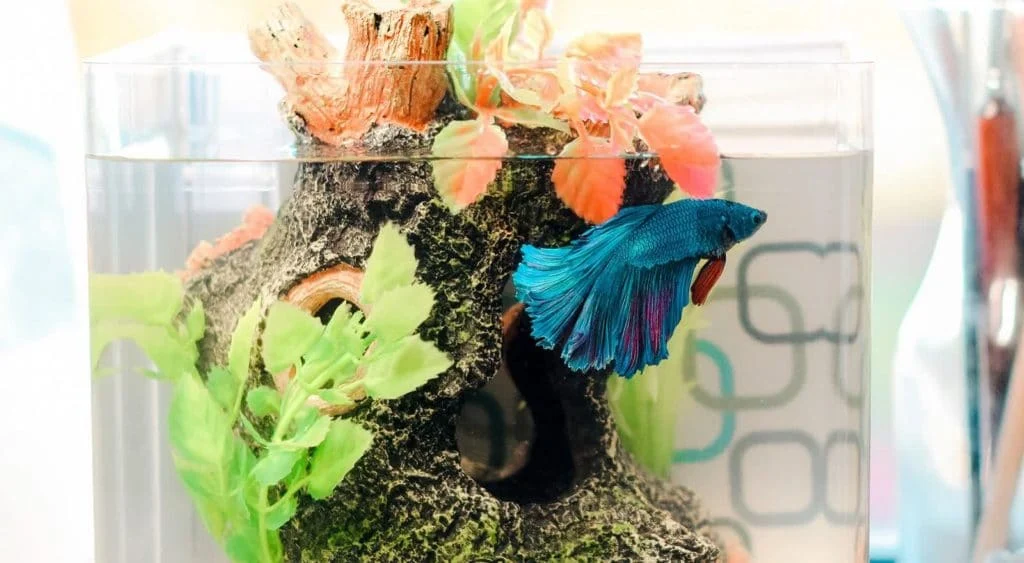
Choose a tank large enough for those needs and the required equipment. Larger water volumes are generally more stable than very small ones. Decorative bowls, jars and cramped novelty tanks are not a suitable shortcut. Avoid using a single fish-length formula as a complete stocking decision; behaviour, filtration and water quality also matter.
Choose a stable site and suitable equipment
Use a support designed for the filled aquarium's weight and follow the tank manufacturer's installation requirements. Keep the position away from unsuitable heat sources, direct sun and airborne contaminants. Leave room to reach equipment and carry out water changes without moving the filled tank.
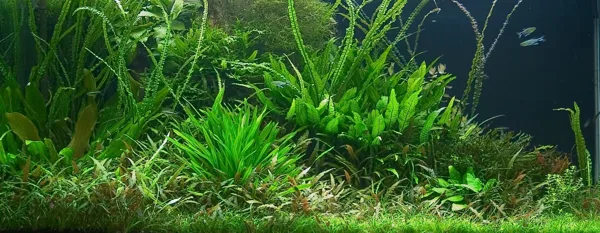
Select filtration, temperature control where needed, lighting and appropriate water-treatment equipment for the actual setup. Use electrical equipment intended for the purpose, following installation instructions. Choose aquarium-safe substrate and decor, leaving swimming room and suitable cover. A visually full tank is not necessarily a comfortable environment for the fish.
Mature the biological filter before stocking
Fish waste produces ammonia. A functioning biological filter supports bacteria that convert ammonia to nitrite and then nitrate; ammonia and nitrite are harmful, and nitrate also needs management. A new filter does not immediately contain the established bacterial population required.
Use an appropriate fishless cycling method and follow the maturation product's instructions. Test the water during the process and use evidence that the system is ready rather than a fixed number of waiting days. Do not add fish simply to make the tank look complete while it cycles. Get experienced advice if the readings or process are unclear.
Add fish cautiously and monitor the result
Before introducing fish, confirm that the tank is ready, the temperature and water chemistry meet their needs and the chosen animals remain compatible. Follow appropriate transport and acclimatisation guidance. Plan introductions so the developing system is not suddenly overloaded.
Continue observing behaviour and testing after stocking. Changes in breathing, activity or appearance deserve investigation rather than an automatic dose of a general treatment. Check the environment as well as the animal. Keep records of readings, additions and maintenance so that a developing problem is easier to understand.
Establish a practical maintenance routine
Test the relevant water parameters, check temperature and equipment, and make appropriate partial water changes using correctly prepared water. The exact routine depends on the aquarium and fish; clear-looking water alone does not prove that conditions are safe.
Maintain filter media according to suitable guidance without destroying the biological function by unnecessary wholesale replacement or inappropriate cleaning. Remove waste, manage plant growth and feed appropriately for the species. Do not siphon by mouth, and wash hands after working with aquarium water. Keep aquarium equipment separate from food preparation.
Aquarium water change calculator
Explore the arithmetic of repeated partial water changes, including what happens when the replacement water already contains nitrate. The chart models dilution, not a care schedule.
Open the calculatorPlan for absences and long-term care
Arrange knowledgeable care when you are away and make the necessary supplies and routine clear. Think ahead about growth, equipment failure and changes in household circumstances. If fish outgrow the setup, a larger suitable tank or responsible rehoming is necessary; restricting food is not a solution to inadequate space.
Never release aquarium fish or other contents into natural waterways. Seek appropriate advice for rehoming or disposal if the aquarium must be closed. A successful aquarium is not defined by how quickly it was assembled. It is defined by the stable care and appropriate environment you can continue to provide.
Choose a retailer or experienced adviser who provides clear species information, and retain that guidance with your water-test and maintenance records.
Prepare a handover that protects the established aquarium
An aquarium handover should describe what the fish normally do as well as where the food is kept. Write the species, current stocking, usual feeding amount, equipment checks and the person to contact if behavior changes. A photograph of the correct food portion can be clearer than “a small pinch,” especially when someone else is caring for the aquarium.
Keep water-test records beside that sheet. List the parameters relevant to your fish, the normal measured range in this aquarium, and the species-specific action plan agreed with a knowledgeable aquatic professional. Do not turn a single reading from an internet example into a target for unrelated species. Note the test method and date too, so a changed result can be checked rather than dismissed.
Explain the filter before asking a helper to clean anything. It is living filtration as well as visible equipment. RSPCA Australia's goldfish-care guidance advises preserving beneficial filter organisms and using removed aquarium water when rinsing suitable filter media. Its goldfish-specific numerical guidance should not be applied to every tropical or freshwater species. Follow the actual filter's maintenance instructions and avoid replacing all biological media simply because it looks used.
Leave clearly labeled instructions for replacement water. Where a conditioner is required, it must address the disinfectant present in the supply, including chloramine where used; merely standing a bucket of water is not a reliable substitute. Keep aquarium tools separate from household cleaning chemicals.
Finally, describe an emergency in observable terms: fish repeatedly gasping, unusual rapid breathing, loss of balance, a stopped filter or a leak. The first response is to check equipment and water conditions and obtain appropriate help, rather than adding medication on guesswork. A helper should also know whom to contact before moving fish. A second, unprepared container can introduce different water conditions while leaving the original cause unresolved.
Sources & further reading
This guide draws on horticultural and specialist references. Conditions vary with climate, cultivar, and site.
- OATA: Freshwater aquarium setup and maintenance
- RSPCA: Suitable aquarium environments
- U.S. Fish and Wildlife Service: Do not let aquarium fish loose
- RSPCA Australia: Caring for goldfish, filtration and replacement water