In this guide
At a glance
- True tea
- Made from Camellia sinensis
- Main distinction
- Processing changes the leaf
- Herbal infusions
- Different plants, different properties
- Choose by
- Flavor, preparation and caffeine needs
The tea shelf becomes easier to understand once you separate the plant from the process. Green tea, black tea, and oolong do not come from three unrelated garden species. They are ways of working with leaves of Camellia sinensis, with further differences created by cultivar, climate, harvest, and preparation.
Herbal infusions belong to a different group, even though everyday language calls them tea too. That is not a problem in the kitchen, but it matters when you want to grow an ingredient, understand caffeine, or assess a claim about what the drink will do.
Begin with Camellia sinensis
The tea plant is an evergreen shrub. Camellia sinensis var. sinensis and var. assamica are recognized forms associated with different growing characteristics, but neither confines the resulting leaves to one simple tea category. Processing is central to the final drink.
Growing tea at home is possible in suitable conditions, but it is a plant project before it becomes a reliable household supply. Research the cultivar, local hardiness, soil, moisture, and available shelter. A tea label on a packet does not tell you whether the plant will tolerate your winter.
If you grow it, keep the plant correctly identified and follow a sound horticultural and processing guide. A decorative camellia in the garden is not automatically a tea ingredient simply because it belongs to the same genus.
Understand the main processing families
Green tea is processed to limit oxidation, often using heat before drying. Its flavors can range from grassy and vegetal to toasted, depending on the tea and preparation. White tea is typically made with comparatively limited handling and drying; the name does not mean it contains no caffeine.
Oolong covers a broad range of partially oxidized teas. Some cups feel light and floral, others more roasted or substantial. Black tea is more fully oxidized, producing a different balance of color, aroma, and body. Oxidation is not the same process as microbial fermentation.
Yellow tea includes an additional controlled processing stage that distinguishes it from ordinary green tea. Dark or post-fermented teas involve microbial processes; pu-erh belongs within that broader area rather than being the name for every dark tea. The methods are specialized, and a few category words cannot substitute for the producer's process.
Separate a tea type from its presentation
Matcha is a powdered green tea preparation, not a separate plant species. Because the powder is suspended in the drink rather than removed as whole leaves, its preparation and texture differ from a strained infusion.
Earl Grey is a flavored tea style associated with bergamot, and masala chai combines tea with spices. A fruit flavor or a pinch of spice does not necessarily remove the caffeine from the underlying tea. Read the ingredients rather than relying on the picture on the packet.
Loose leaf and tea bags are formats, not a reliable quality ranking by themselves. Leaf grade, freshness, storage, and the tea's intended style all matter. Choose the format you will use well instead of assuming every loose leaf is exceptional or every bag is poor.
Give herbal infusions their own names
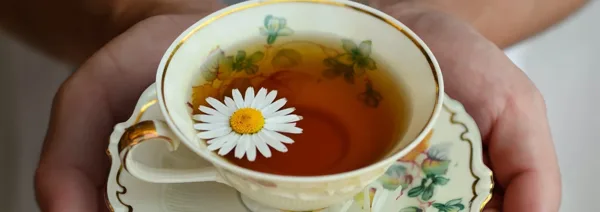
Chamomile, mint, rooibos, hibiscus, and lemon verbena are examples of ingredients used in infusions that are not made from Camellia sinensis. Their flavors and growing needs differ, which gives the home gardener plenty to explore without pretending they form one botanical group.
Many herbal infusions are caffeine-free, but not every non-tea plant drink is: yerba mate, for example, contains caffeine. Blends may also combine herbs with true tea. Check the full ingredient list if avoiding caffeine matters to you.
Use only correctly identified ingredients suitable for consumption. Do not brew unknown garden leaves or add essential oils sold for fragrance. Traditional use does not make every plant, concentration, or combination appropriate for every person.
Make a better cup by changing one thing
Follow the producer's instructions as a starting point for the amount of leaf, water temperature, and infusion time. Those variables change the cup, and a very strong or bitter result does not prove that you chose the wrong category.
If you want to compare teas, keep the preparation reasonably consistent and change one variable at a time. Note the flavor and how you like to drink it. A small amount of a tea you enjoy is more useful than a shelf of ambitious purchases that lose their character in open packets.
Keep dry tea sealed away from moisture, strong odors, light, and unnecessary heat. Prepare only the food products as intended, and treat homemade infusions with the same cleanliness you would use for other drinks.
Compare the cups without pretending the category is a caffeine dose
For a useful first comparison, choose two clearly identified teas and prepare each according to its own producer's instructions. Record the dry-leaf amount, water volume, temperature, and time. A note saying green tea was bitter tells you very little if one cup used twice as much leaf and a much longer infusion.
Then change one preparation variable in the tea you found less enjoyable. Shorten the infusion while keeping the leaf amount and water the same, or change the amount while holding the method steady. This is a taste exercise, not a way to measure caffeine or medicinal compounds at home.
| A packet says | What to establish before interpreting it |
|---|---|
| Green, white, black, or oolong | The actual tea and preparation, rather than a presumed caffeine ranking |
| Decaffeinated | Caffeine has been reduced; it is not necessarily absent |
| Herbal or fruit blend | The full ingredient list, including any true tea, mate, or other caffeine source |
| Energizing or calming | Whether the wording is a flavor description or an unsupported effect claim |
| Extract or supplement | That this is a different preparation from an ordinary infused drink |
FDA guidance explicitly distinguishes decaffeinated from caffeine-free and notes that product amounts and serving sizes vary. A small cup and a large travel mug should not be counted as identical simply because both are called one tea. If a manufacturer supplies product-specific caffeine information, keep the stated serving and preparation conditions with it. Where information is absent, do not turn an average from another brand into an exact dose.
The same care helps with blends. Earl Grey normally names a flavored tea style, not a caffeine category; a berry picture does not tell you whether the blend contains black tea. For an evening drink, choose the actual ingredients and suitable caffeine level for your circumstances rather than relying on the package's color.
Keep the result of your tasting simple: what you enjoyed, how you prepared it, and whether you would make it again. That is enough to build a useful tea shelf without organizing the packets into a league table of supposed health benefits.
Let preference lead, with sensible safety checks
True tea contains caffeine, and the amount varies with the product and preparation. Simple charts claiming that every white tea is low and every black tea high can be misleading. If caffeine affects sleep or symptoms, choose and time the drink accordingly.
Research on concentrated extracts is not interchangeable with research on an ordinary cup. NCCIH notes uncertain evidence for many promoted green-tea benefits and safety concerns with some extract supplements. Do not use tea as a substitute for treatment or assume a weight-loss product is safer because its label names a familiar plant.
Choose the tea that tastes good, fits your routine, and is suitable for your circumstances. That leaves plenty of room for discovery without requiring each cup to perform a medical job.
Sources & further reading
This guide draws on horticultural and specialist references. Conditions vary with climate, cultivar, and site.
- Kew: tea plant
- Kew Science: Camellia sinensis profile
- RHS: growing your own tea
- NCCIH: green tea evidence and safety
- FDA: caffeine variation, serving sizes and decaffeinated beverages